



Experience Charlottesville Virginia’s Highlights in 48 Hours

If you are looking for a weekend getaway that seamlessly blends centuries-old stories, vibrant community spaces, and beckoning backroads, look no further than Charlottesville, Virginia. This city, large enough to keep you moving yet small enough to see its highlights in two days, offers UNESCO Heritage Sites, inventive art, and local flavors that invite you to linger a little longer.
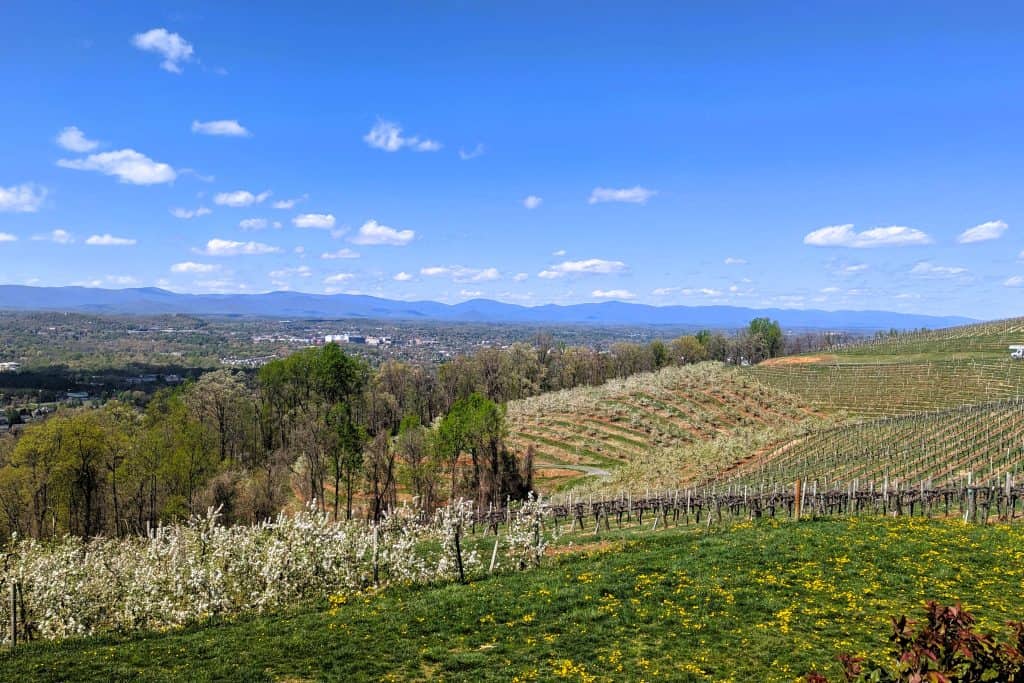
On the last day of my 48-hour visit, I was asked what I had seen and done. I rattled off the various sites and activities. I was told, “It sounds like you hit the highlights.” This conversation sparked the concept for this article.
Whether you’re a history buff, an outdoor enthusiast, or someone who enjoys local food, wine, and culture, Charlottesville offers something for everyone. Here’s how to make the most of your time in this charming town without missing any of the highlights.
Take the Scenic Route
Before arriving or on your way out of town, I suggest driving part of the Skyline Drive through Shenandoah National Park. It’s a delightful drive with stunning scenery, breathtaking vistas, and recreational activities.
Be sure to check the weather conditions. What you’re experiencing in the valley could be considerably different from the higher elevations. That’s what I experienced the day I visited. As I made my way, the altitude increased, it got colder, and the fog settled in. Nevertheless, the ride was still enjoyable, and I caught a few amazing views
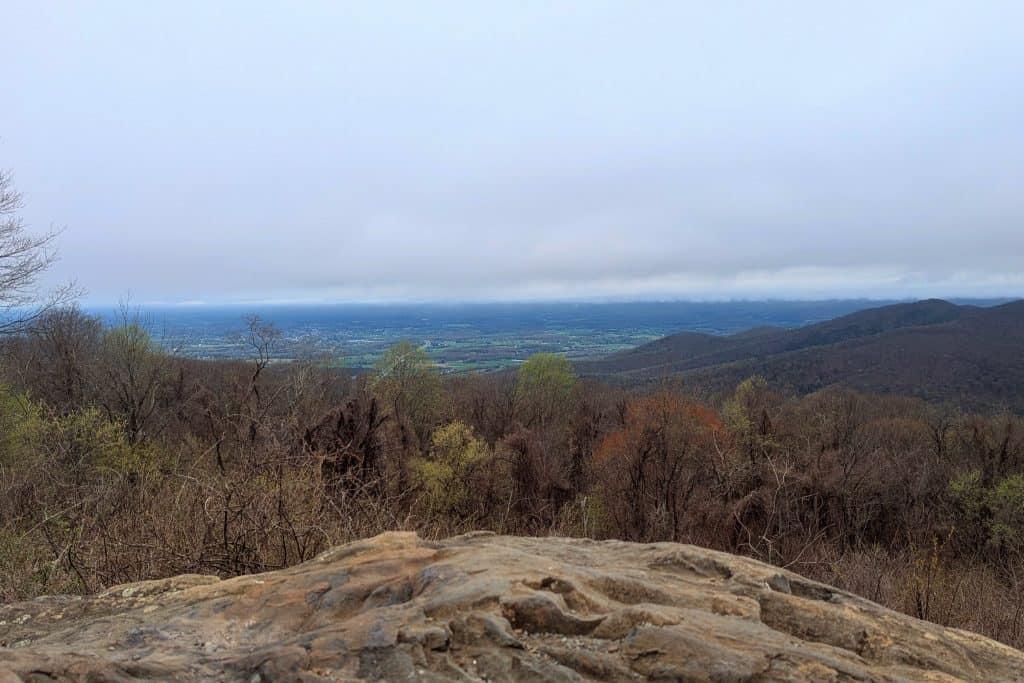
Expect a $30 fee for most passenger vehicles. The pass is valid for seven days and can be purchased at any of the entrances. This will allow you to drive multiple sections on various days.
Jefferson’s Legacy: Monticello and the University of Virginia
UNESCO lists Monticello and the University of Virginia together for their exceptional expression of classical architecture and landscape design as well as their reflection of Enlightenment ideals and the democratic aspirations of a young America.
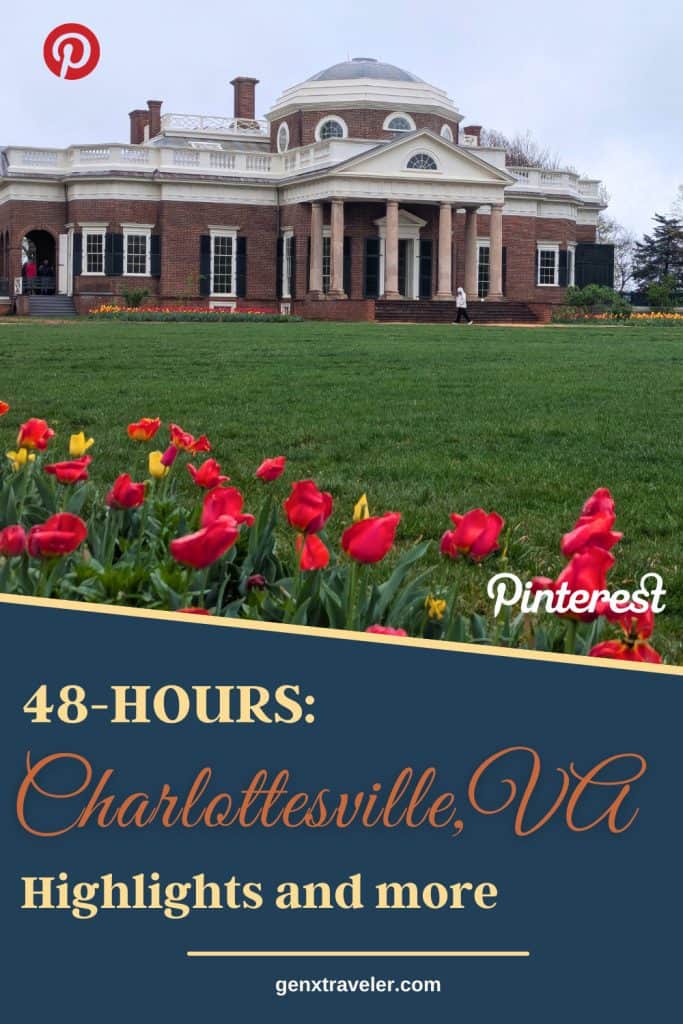
At Monticello, you can wander through the house Thomas Jefferson built over four decades and stroll the gardens he used as both a botanical showpiece and experimental laboratory, testing ornamental and useful plants side by side.
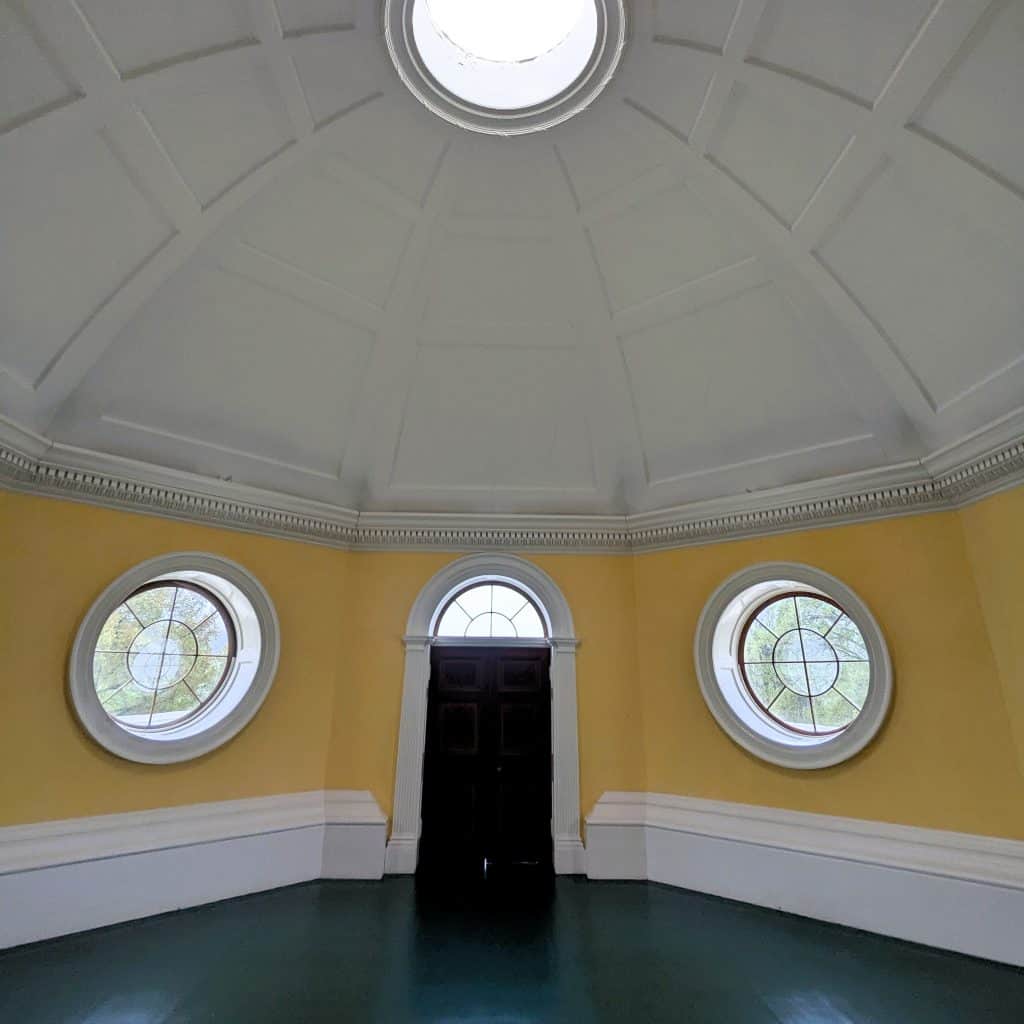
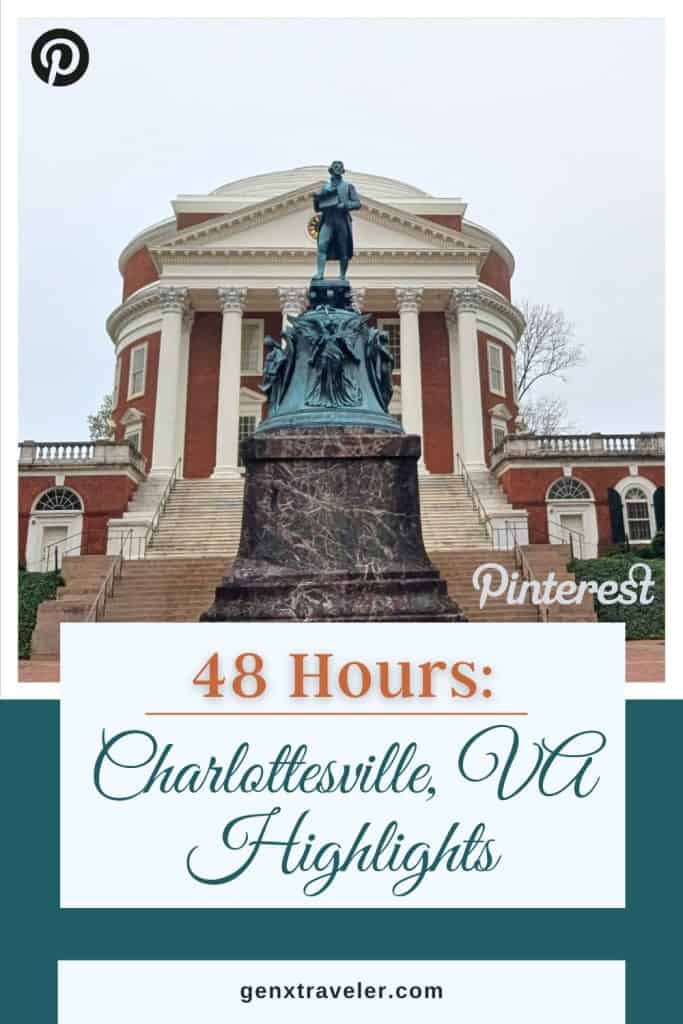
A few miles away, the University of Virginia’s Academical Village, including the Rotunda, pavilions, and the East and West Gardens, was laid out by Jefferson to blend living, learning, and nature. It remains the only American university campus with UNESCO status, recognized for its innovative plan and harmonious setting.
Thomas Jefferson’s Monticello
As you tour the domed mansion, stroll the experimental gardens, and visit the restored slave quarters, contemplate the architectural ingenuity and the complex history that shaped Monticello, Jefferson’s mountaintop estate and UNESCO World Heritage Site.
Monticello Visitor Center & Tours
Begin at the Visitor Center, where you’ll find ample parking (including for RVs) and a ticket desk if you haven’t purchased your tickets and tours online. Take a few minutes to watch the introductory film and browse the exhibits, then hop on the shuttle up to the house—arrive at least 15 minutes before your tour. Choose from a 45- or 90-minute house tour or opt for the 2.5-hour “From Slavery to Freedom” tour, which includes the main rooms, dome, slave quarters, and outdoor spaces.
Monticello House & Gardens
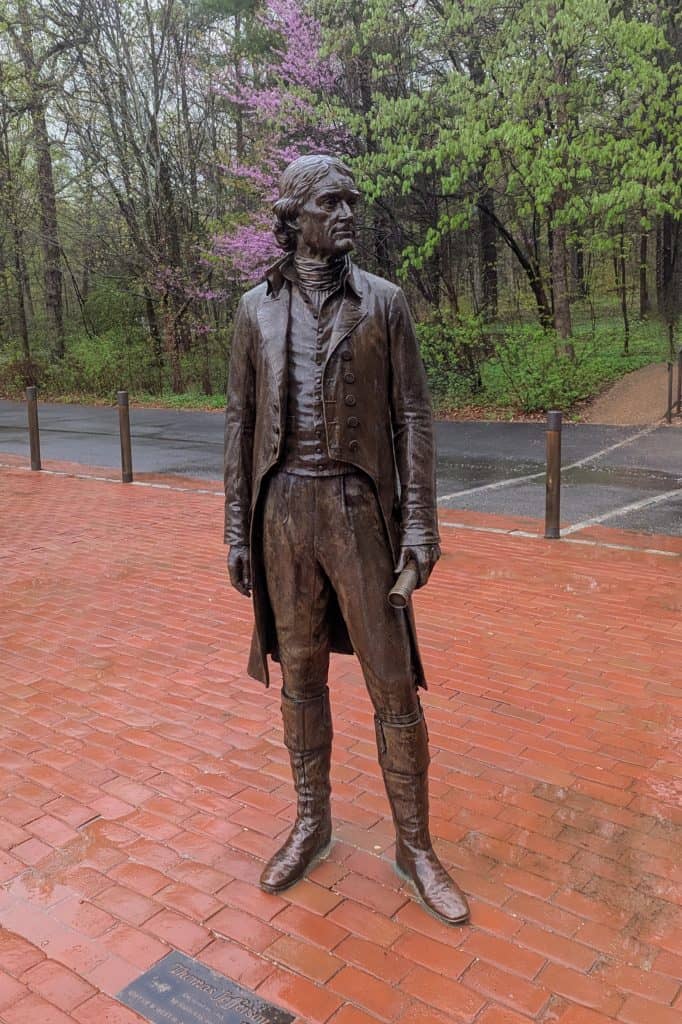
Resting on 483 sylvan and pastoral acres atop Brown Mountain, you’ll find Monticello, one of the country’s most iconic sites and home to the Nation’s third president and author of the Declaration of Independence, Thomas Jefferson. Reflecting his vision and intellect, the estate blends beauty and function aligned with Enlightenment principles.
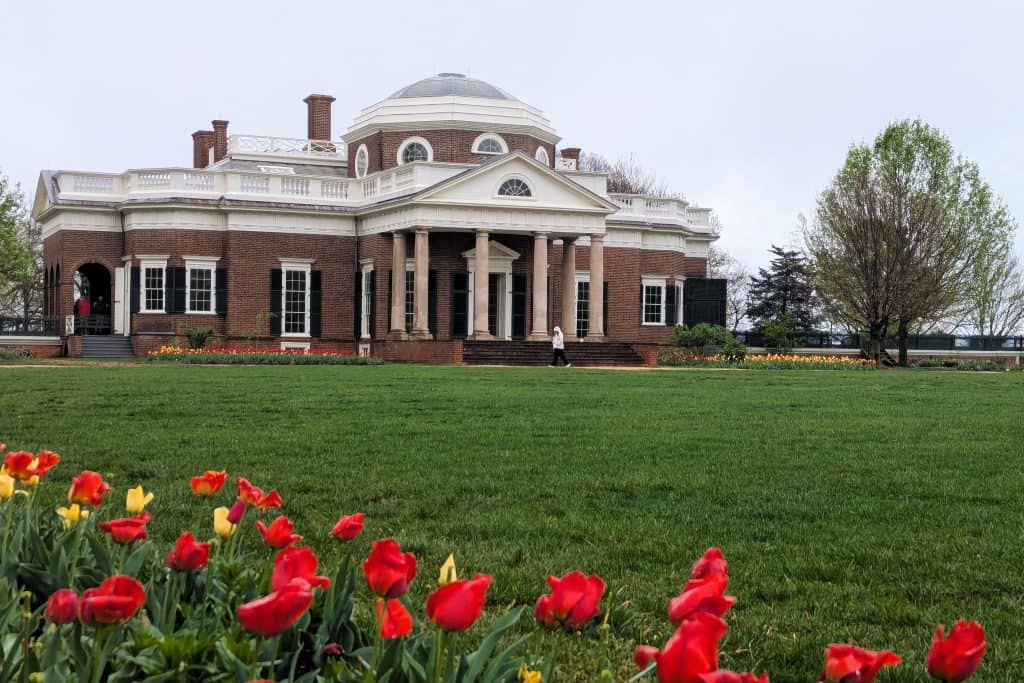
Influenced by his time in Europe, Monticello mirrors neoclassical and Palladian styles. The iconic dome, one of his signature innovations, serves as a grand focal point, although it has no functional purpose.
Despite its prominence, the dome and Southwest Portico are not the home’s primary entrance. Instead, guests enter the Entrance Hall, where Jefferson displayed his collections through the Northeast Portico.
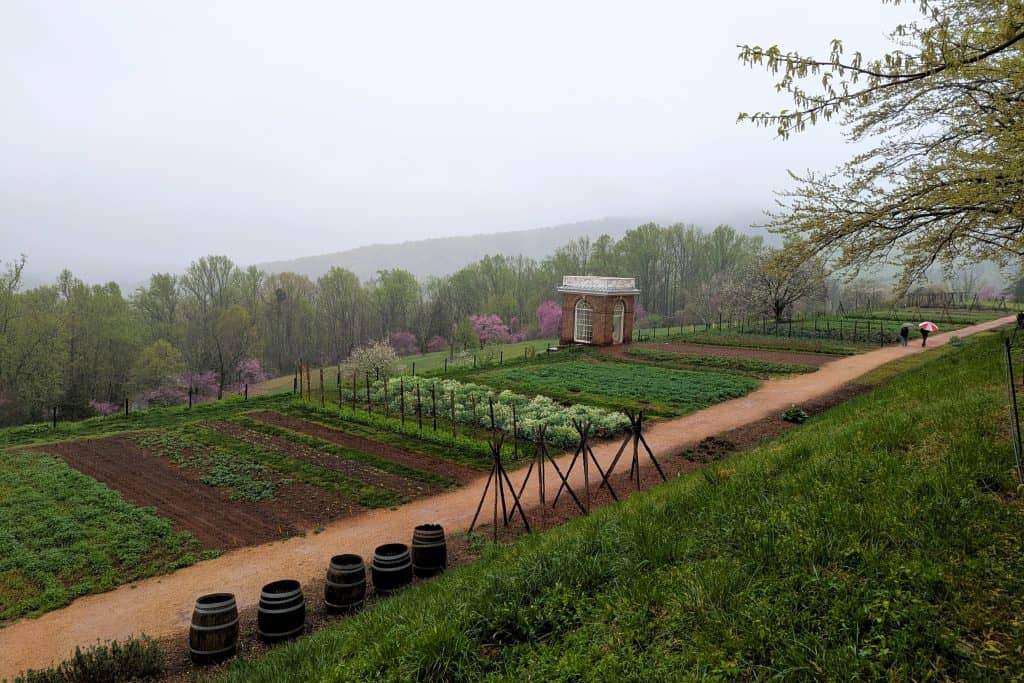
Finally, take time to explore Monticello’s extensive gardens. These beautifully recreated spaces reflect Jefferson’s love for horticulture, agriculture, and experimentation with new plant varieties. The vegetable garden, which once sustained both Jefferson and his enslaved workers, is particularly noteworthy for its historical and agricultural significance.
University of Virginia & Academic Heritage
Further your exploration into Jefferson’s vision at the University of Virginia. Stroll the campus to admire the Rotunda and the surrounding Lawn, framed by lush gardens, then pause at the Memorial to Enslaved Laborers to honor those whose work made the university possible.
The Rotunda & Academical Village
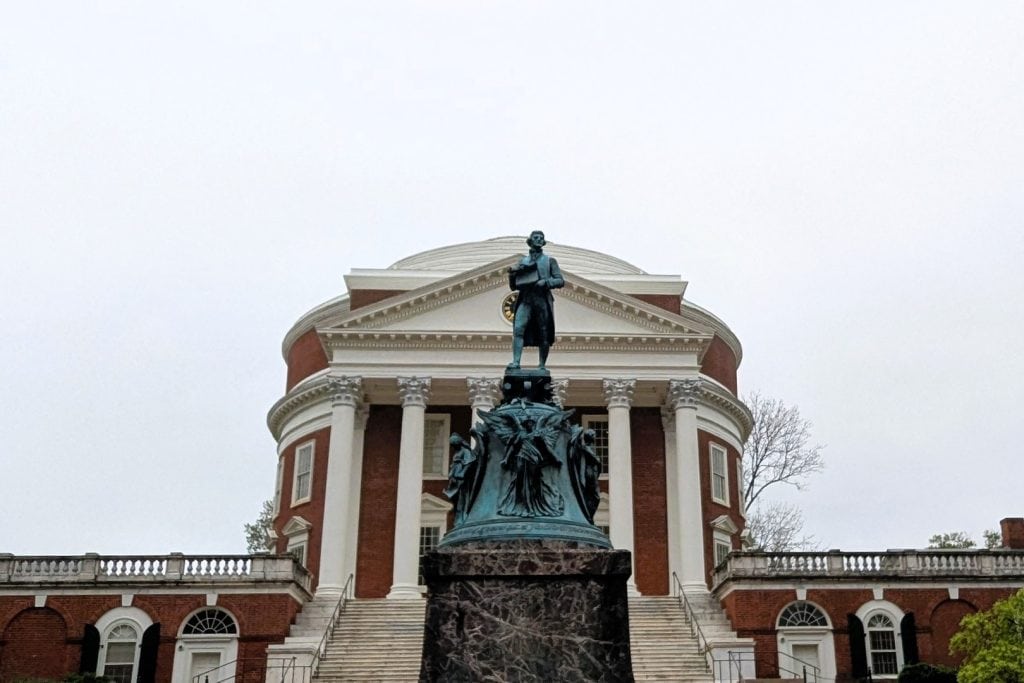
The Rotunda at UVA is the classical centerpiece of the Academical Village. Inspired by Rome’s Pantheon with its oculus-topped dome and columned portico, the Rotunda originally held the university’s library. Today, it houses administrative offices and hosts academic events. Designated a UNESCO World Heritage landmark, the Rotunda remains the campus’s heart, welcoming you into a space that embodies Enlightenment ideals and continues to inspire through exhibits on UVA’s history and Jefferson’s enduring legacy.
East and West Gardens
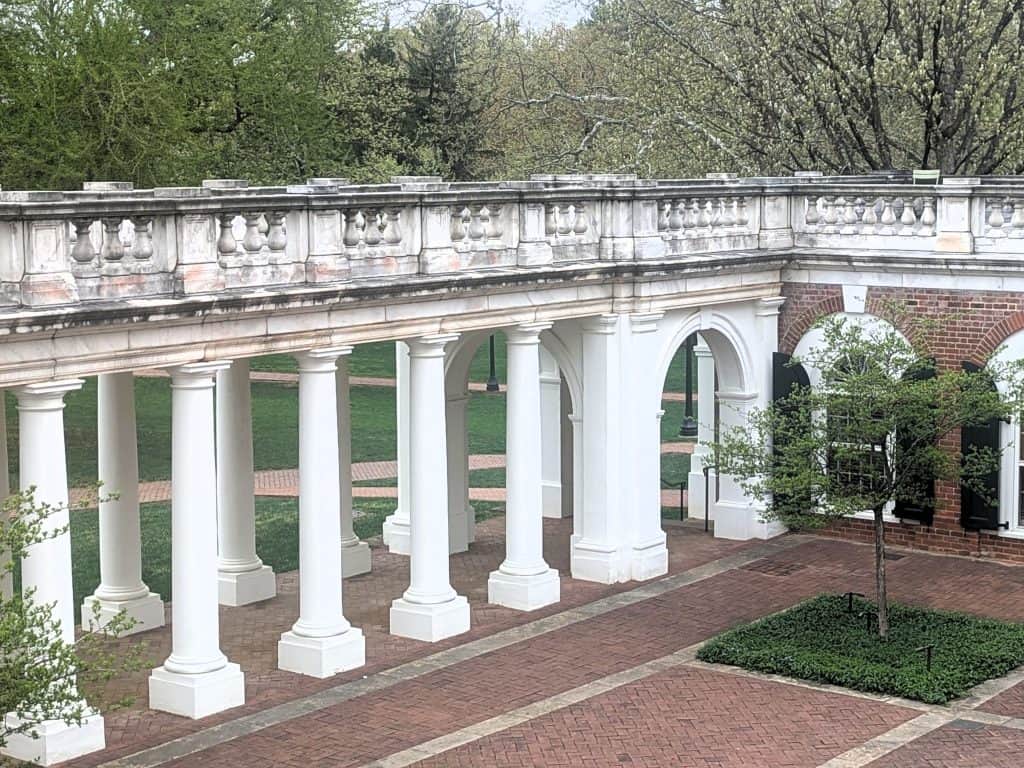
An integral part of Jefferson’s original design for the Academical Village, the East and West Gardens reflect his vision for an academic community integrated with nature.
Situated behind each of the ten pavilions on the Lawn are walled gardens designed to be both functional and aesthetically pleasing. Originally functional spaces, they housed outbuildings like smokehouses and vegetable gardens for the faculty living in the pavilions.
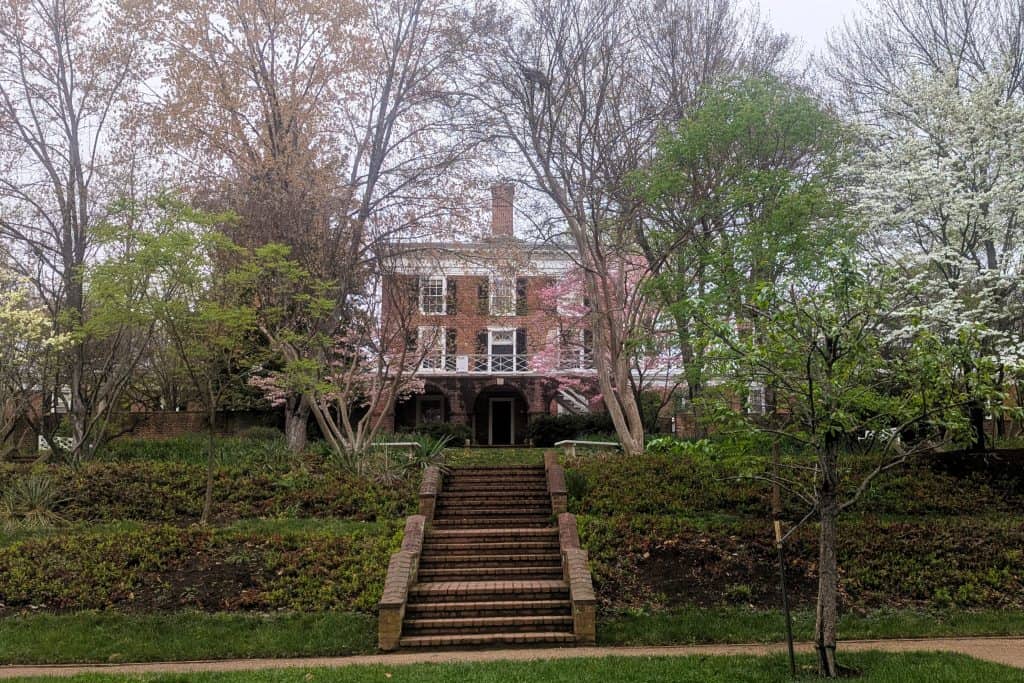
Restoration efforts in the mid-20th century by the Garden Club of Virginia revitalized the gardens, transforming them into their current ornamental aesthetic.
The Memorial to Enslaved Laborers
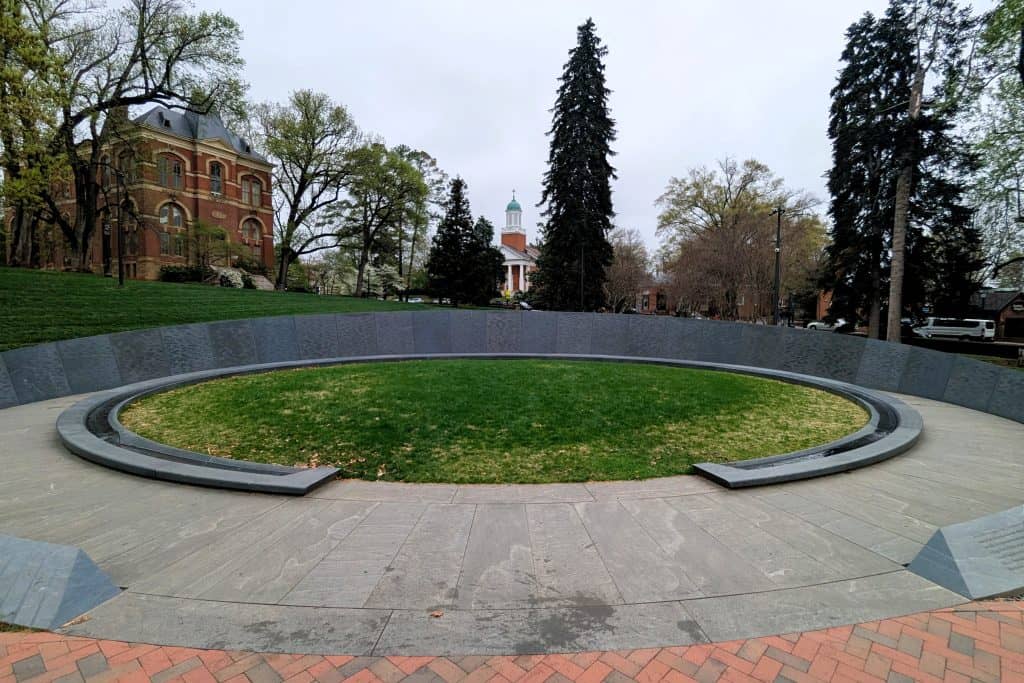
Unveiled in 2020, the Memorial to Enslaved Laborers at UVA honors the men and women whose work, building campus structures and providing daily services, was essential to the university’s founding. With a circular stone etched with their names and a reflective pathway, it confronts UVA’s and Monticello’s reliance on enslaved labor, acknowledging contributions long overlooked.
The Corner
As you explore UVA’s grounds, stop by The Corner, a vibrant neighborhood just off the university’s main grounds. It holds a special place in the hearts of UVA students and alumni, serving as a social, cultural, and commercial hub. Over the years, The Corner has become synonymous with student life, offering a mix of eclectic shops, restaurants, cafes, and bookstores. It’s a perfect spot for a casual lunch or a coffee break.
Explore Outdoors: By Foot or on Two Wheels
Explore Charlottesville’s great outdoors on foot and by bike. Hike to Jefferson’s hilltop estate, then switch gears with a bike ride that winds through farms, vineyards, and historic streets. Whatever your pace or experience, these adventures offer fresh perspectives on the region.
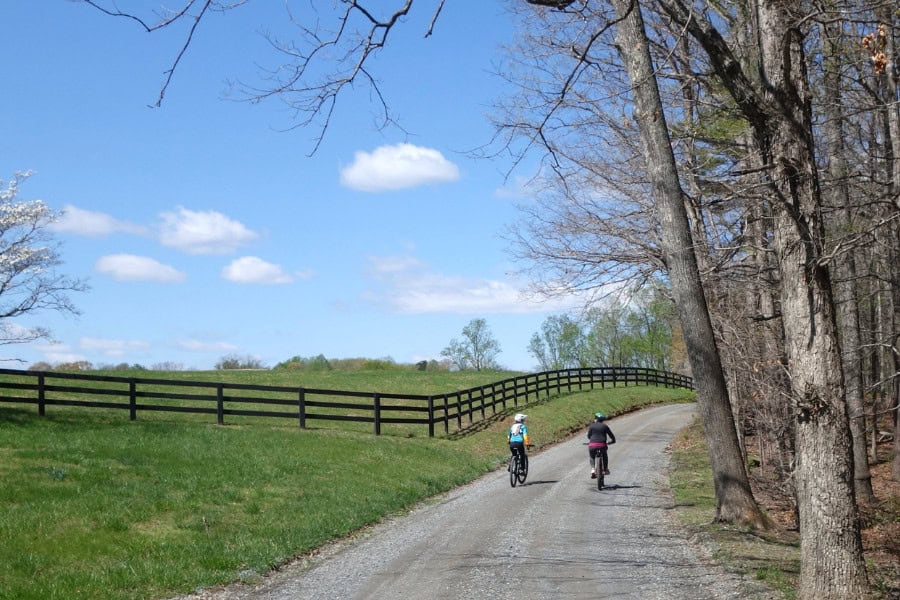
Two-Wheeled Adventure: Blue Ridge Bicycle Tours
If you are looking for a fresh way to experience Charlottesville or the greater Blue Ridge Mountain region, consider a guided bike ride with Blue Ridge Bicycle Tours. You can choose a ride through the city’s picturesque streets or opt for a scenic countryside route that winds through farms and vineyards on a blend of paved and gravel roads.
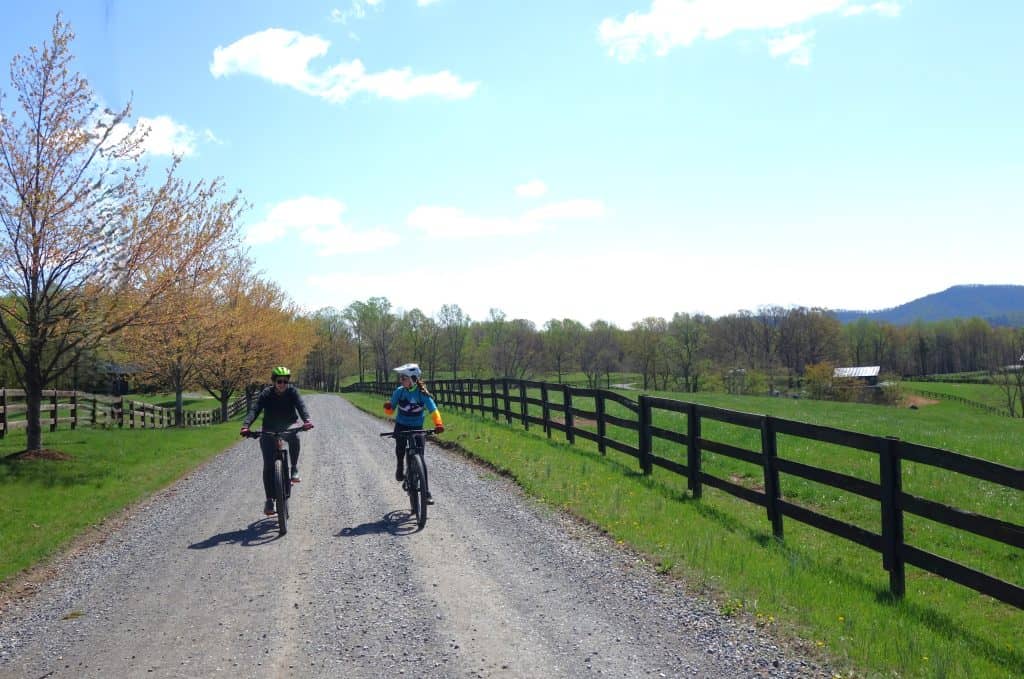
I sampled the countryside tour, and host Saul handled every detail from top-notch bikes to a thoughtfully mapped course. He even arranged for me to ride the electric version of my own bike. Awesome!!
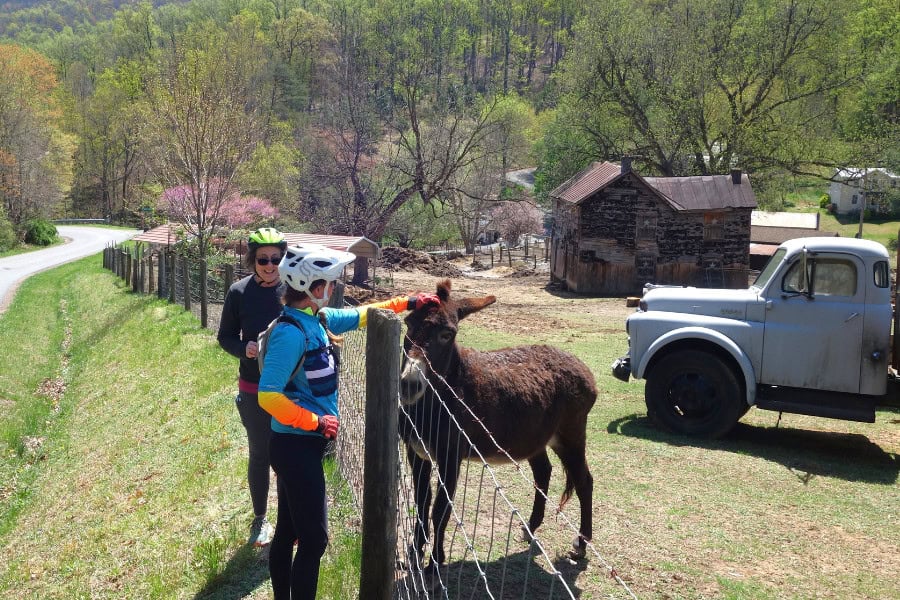
As you pedal past historic sites and rolling hills, you’ll gain a deeper appreciation for the region’s natural beauty and rich history. You might make a few friends, some with four legs. Whether you’re an experienced cyclist or a beginner, these tours let you see Charlottesville from a fresh perspective.
Hike to Monticello via the Saunders-Monticello Trail
Hikers and nature-lovers may want to begin their Monticello experience with a hike along the Saunders-Monticello Trail, a scenic 2.5-mile (5 miles, round-trip) out-and-back path that connects Kemper Park to Monticello. The lower trailhead parking lot (l678 Dairy Barn Road) provides access to the trail.
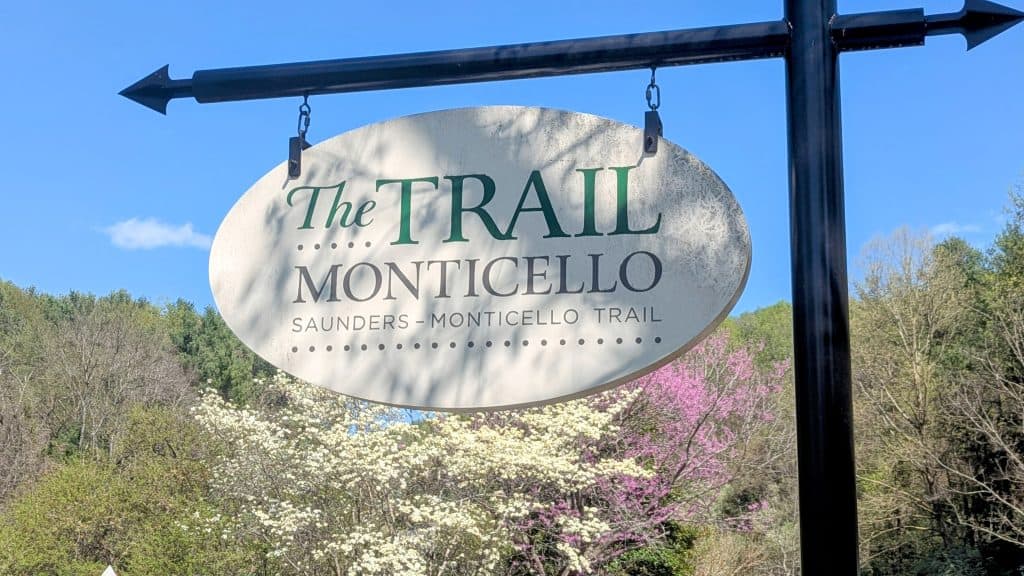
The trail features a gentle 5% grade, making it accessible for walkers, cyclists, and those using wheelchairs. Along the way, hikers can enjoy native hardwood forests, boardwalks, and scenic views of the Blue Ridge Mountains. The trail is a great way to experience the landscape that inspired Jefferson and appreciate the beauty of the Virginia countryside.
Arts, Culture, & Community Spaces
Discover Charlottesville’s creative side where old factories give way to sweeping murals and sculptures, immersive installations invite you to step inside art itself, and performance venues, and public art woven into everyday life. This is where community and culture meet.
IX Art Park
In the afternoon, head to IX Art Park, a creative space that blends art, culture, and community.
Occupying the site of the former Frank Ix & Sons textile mill, once the city’s largest employer, the space blends Charlottesville’s rich manufacturing heritage with contemporary artistic expression.

In 2014, local developer Ludwig Kuttner and filmmaker Brian Wimer repurposed the site into a vibrant community space known as the IX Project. This transformation preserved the site’s industrial character while introducing murals, sculptures, and performance spaces, culminating in the creation of IX Art Park. The park now serves as a hub for creativity and community engagement, hosting events, festivals, and workshops throughout the year.
The Looking Glass
Located at IX Art Park, you won’t want to miss The Looking Glass. I almost skipped this fun-for-all-ages attraction. I’m so glad I didn’t. It’s magical!
Virginia’s first permanent immersive art space, The Looking Glass, offers a whimsical and interactive experience that engages all your senses. Spanning over 6,000 square feet, this unique venue features a series of installations created by more than two dozen local and regional artists.

Visitors can explore an enchanted forest, navigate a kaleidoscopic cave, and discover a subterranean art lounge, each space designed to spark imagination and wonder. It’s a striking art installation that has become a favorite spot for photos and special events.
Charlottesville’s Historic Downtown Mall
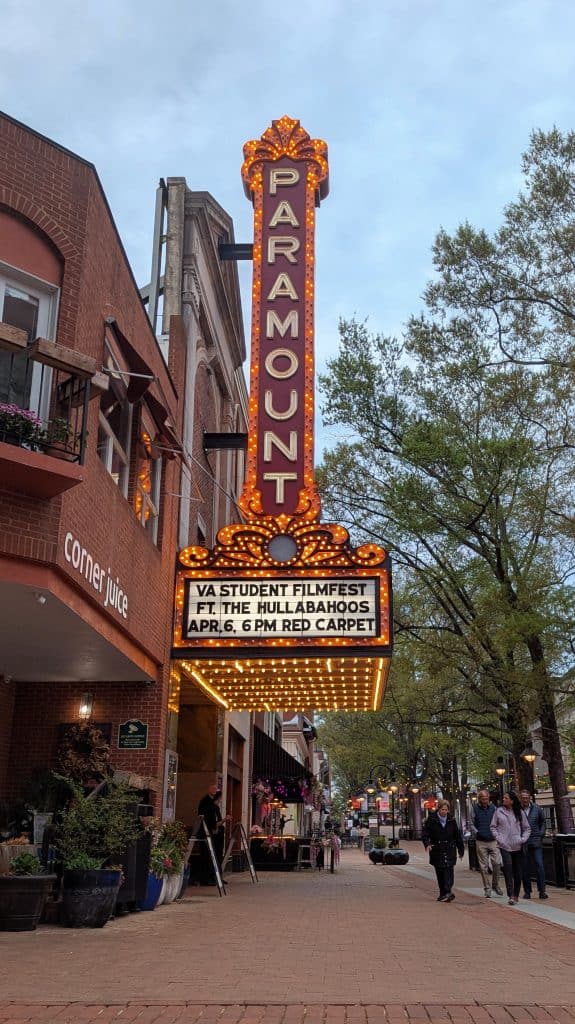
Spend some time exploring Charlottesville’s Historic Downtown Mall. This brick-paved pedestrian mall blends restored and renovated buildings, creating a lively space perfect for strolling and plenty of opportunities to shop, dine, or catch a local performance.
Casual Culinary Stops & Local Flavors
Savor Charlottesville’s flavors from freshly baked pastries to farm-fresh fare. Start your day with artisan bread and pastries. Enjoy lunch at a historic tavern with traditional southern favorites and seasonal fare. Later, toast the sunset at a local scenic winery or the local orchard. For a casual dinner that offers something for every taste, sample global bites at the local food hall.

Carter Mountain Orchard
If you’re travelling with kids or want a scenic orchard experience, consider heading to Carter Mountain Orchard. Known for its stunning views and family-friendly atmosphere, the orchard offers apple cider donuts, apple picking (seasonal), a country store, and homemade cider, making it an excellent choice for a casual, fun-filled afternoon.
Thursday through Sunday throughout the summer, enjoy live music, food trucks, Carter Mountain Wine, Bold Rock Hard Cider, and Charlottesville’s best sunsets!

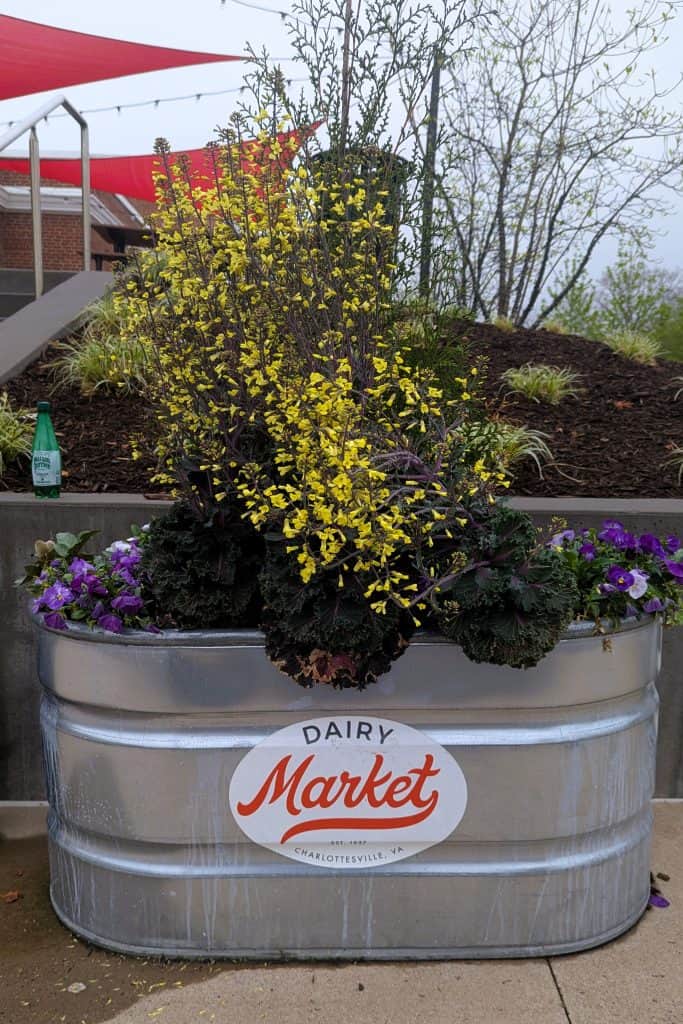
The Dairy Market
For lunch or a casual dinner in town, head to the Dairy Market, a modern food hall housed in a historic dairy. Offering a variety of local food vendors, it’s a great place to sample diverse dishes, from artisanal pizza to Thai street food and savory Himalayan fare. Sample a local craft beer at Starr Hill Brewery or relax with one of Milkman’s craft cocktails. The Dairy Market is a must-visit spot for food lovers looking to enjoy something unique and locally sourced.
MarieBette Café and Bakery
Try MarieBette Café & Bakery for breakfast, brunch, or lunch. This European-inspired bakery offers bread, pastries, sandwiches, salads, & coffee. An ingredient-driven café, MarieBette starts with locally sourced wheat, produce, eggs, and meat. Sandwiches are served on your bread of choice — I suggest the Virginia Sourdough!
All baked goods are prepared fresh daily. For those with a sweet tooth, whether it’s a Chocolate Chunk Cookie or a crème-filled pastry you crave, they’ve got you covered.

Historic Michie Tavern
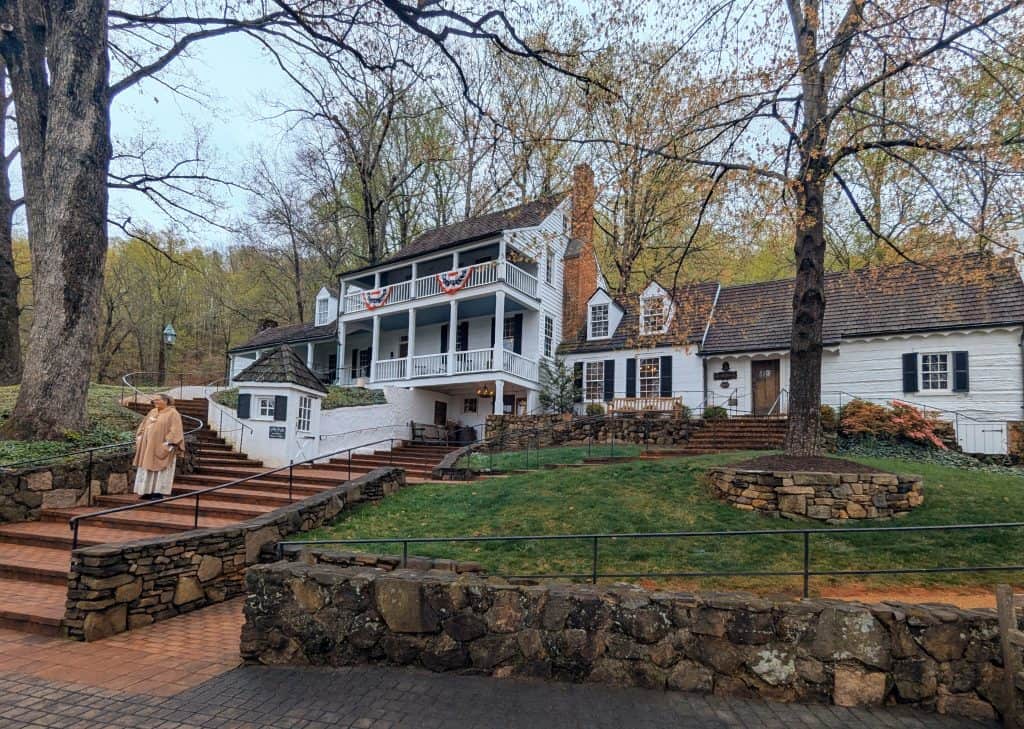
Michie Tavern makes the perfect lunch stop before or after visiting Monticello. This historic eatery, established in 1797, offers a cozy atmosphere with a menu that blends Southern classics and seasonal fare. Known for its hospitality, Miche Tavern serves dishes made from locally sourced ingredients.
Michie’s location off the Saunders-Monticello trail, and along the Thomas Jefferson Parkway leading to Monticello, makes it a convenient stop. While you’re there, be sure to check out The General Store, housed within the Meadow Run Grist Mill and The Tavern Shop.
Un-Wined at Thomas Jefferson Winery
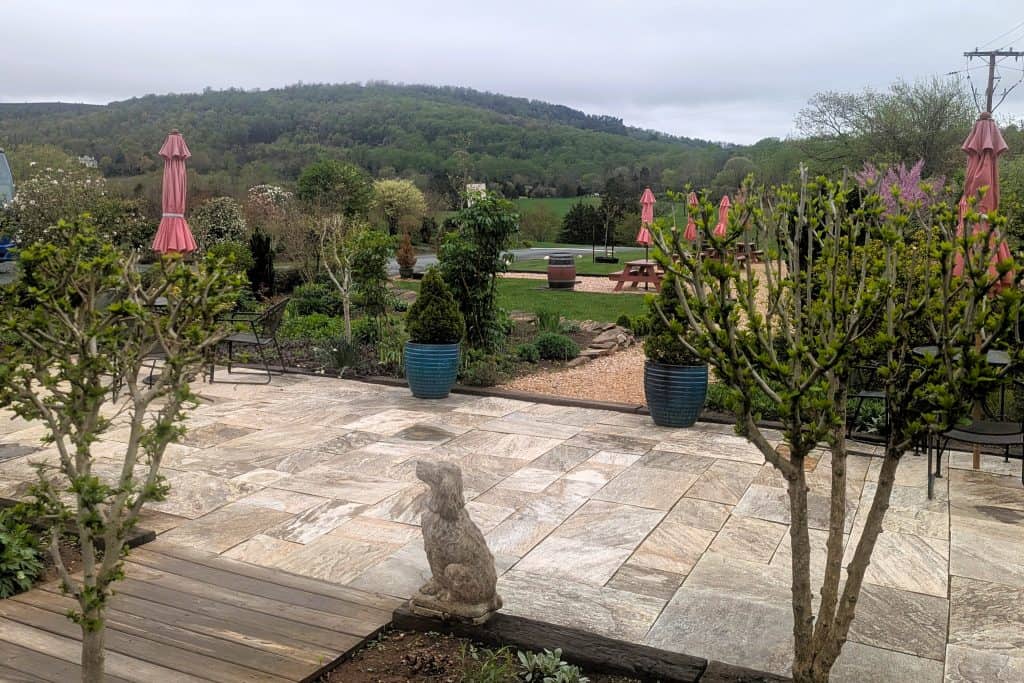
For those looking to unwind with a glass of wine, make your way to Thomas Jefferson Winery, located a short drive from Monticello. Situated on the historic grounds of Thomas Jefferson’s Poplar Forest, the winery offers beautiful views of the Blue Ridge Mountains and a selection of wines crafted from Virginia’s rich soil. Whether you’re a wine connoisseur or simply looking to relax, this stop will be a highlight of your day.
The Draftsman Hotel: Inspired by Three Founding Fathers
For accommodations, The Draftsman is an ideal choice. This boutique hotel pays tribute to Charlottesville’s notable Founding Fathers, Jefferson, Madison, and Monroe, reflecting the city’s deep historical ties. The hotel combines classic Southern elegance with modern amenities, offering a comfortable and stylish retreat after a day of exploration. Located near the university and downtown, it’s the perfect base for your Charlottesville getaway.

Like this Post?? Share it Now!







What a great weekend itinerary! Charlottesville seems to offer such a nice mix of history, outdoor activities, art, and local food and wine. I especially like the idea of combining Monticello and the University of Virginia with a scenic drive through Shenandoah National Park. Lots of helpful ideas for making the most of just 48 hours!