

Searching for the Jersey Devil in the Pine Barrens: A 3-Day Itinerary

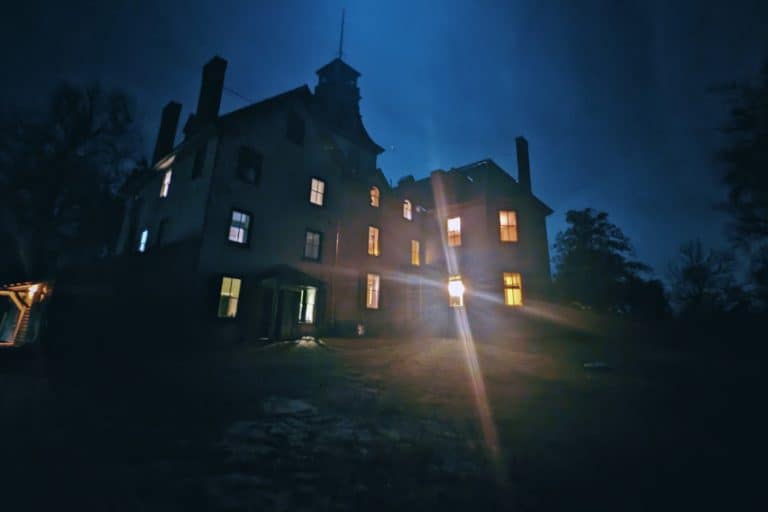
In the heart of New Jersey lies a landscape as mysterious as the legend that haunts it—the Pine Barrens. Stretching over a million acres, this unique region is the perfect backdrop for exploring the legend of the Jersey Devil. Its dense forests, sandy trails, and tea-colored rivers stretch endlessly beneath towering pines, where the creature is said to roam. Born from folklore and a curse, the beast is an enduring symbol of the wild, untamed spirit of the Barrens.
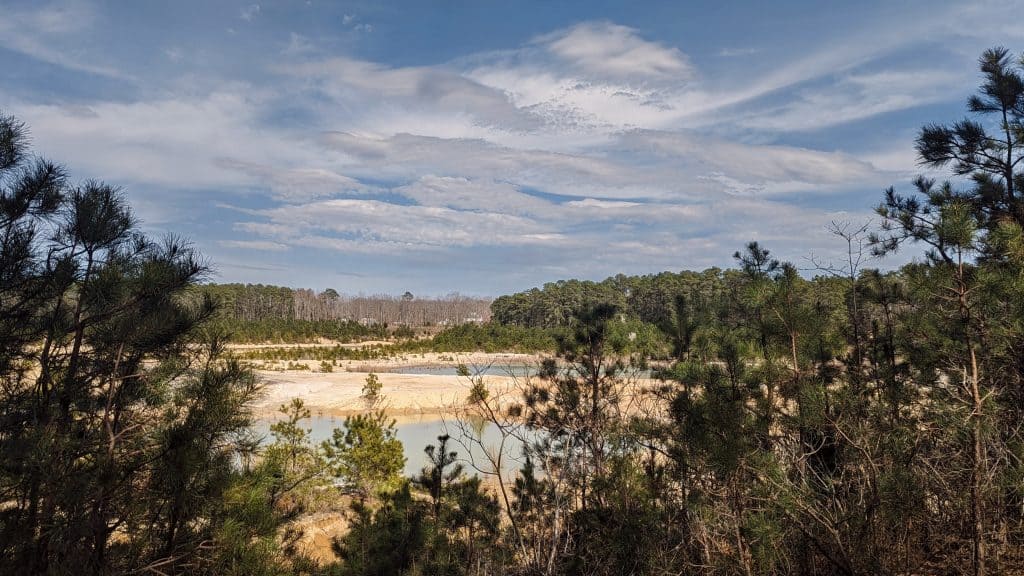
Over the next three days, you’ll explore these vast and eerie landscapes, uncover historic sites, and wander through quaint small towns, all while keeping an eye out for the elusive creature that has haunted the region for over 250 years.
This article holds a special significance for me, as the Pine Barrens are not only a fascinating destination; they are also my home. My deep connection to this region makes this journey a personal one, and I hope to share both its beauty and mysteries with you.

The Birth of the Jersey Devil
The Jersey Devil is often depicted as a bizarre creature, part kangaroo, part horse, with bat-like wings, horns, and a long tail. For over 250 years, it has been said to wander the dense forests and swamps of the Pine Barrens, occasionally venturing into towns and cities as far as Maryland.
As with many enduring legends, the origin story of the Jersey Devil—once known as the Devil of Leeds—varies. Yet, despite different versions, common threads connect the tales.

One version centers on Leeds Point, where a woman named Mrs. Shrouds supposedly wished for a devil child. When she gave birth to her next child, it was deformed and monstrous. She kept it hidden until, one stormy night, the creature flapped its arms, which transformed into wings and it flew up the chimney, vanishing into the dark woods.
Another popular version comes from Estellville. In this telling, Mother Leeds, overwhelmed by the prospect of her thirteenth child, cursed the unborn baby, declaring, “I hope it’s a devil.” The child was born with horns, wings, a tail, and a horse-like face—a grotesque figure matching the descriptions of the Jersey Devil.
Yet another story ties the creature’s birth to Leeds Point during the Revolutionary War. According to this version, a young girl fell in love with a British soldier, a scandal that led the local community to place a curse on her. When she later gave birth, it was to a devil-child. Some believe this was divine punishment for past wrongdoings in the community, including the mistreatment of a minister.
Though the origins differ, the descriptions of the Jersey Devil and the eerie tales surrounding its birth remain deeply rooted in the folklore of Southern New Jersey.
Day 1: The Origins of the Legend; Leeds Point and Estell Manor
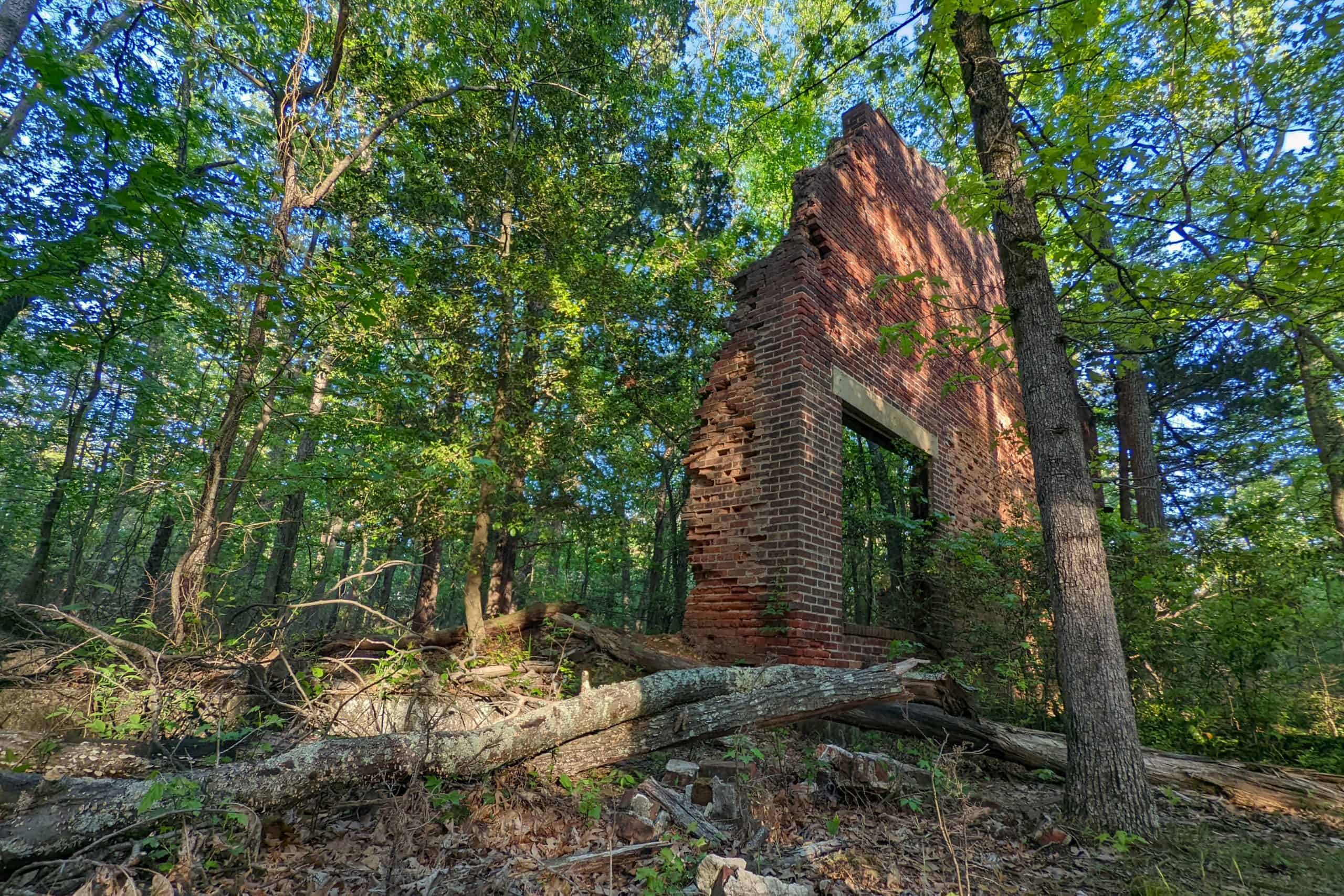
Your journey begins at the epicenter of the Jersey Devil legend— the Leeds Point area of Atlantic County. This small, unassuming area is where the legend took flight, quite literally. According to one version of the tale, it was here that Mrs. Shrouds wished for a devil child, and where the creature soared from the Leeds chimney on a stormy night. While the original Leeds House no longer stands, the eerie atmosphere of the surrounding woods gives you a sense of the past.
Leeds Point
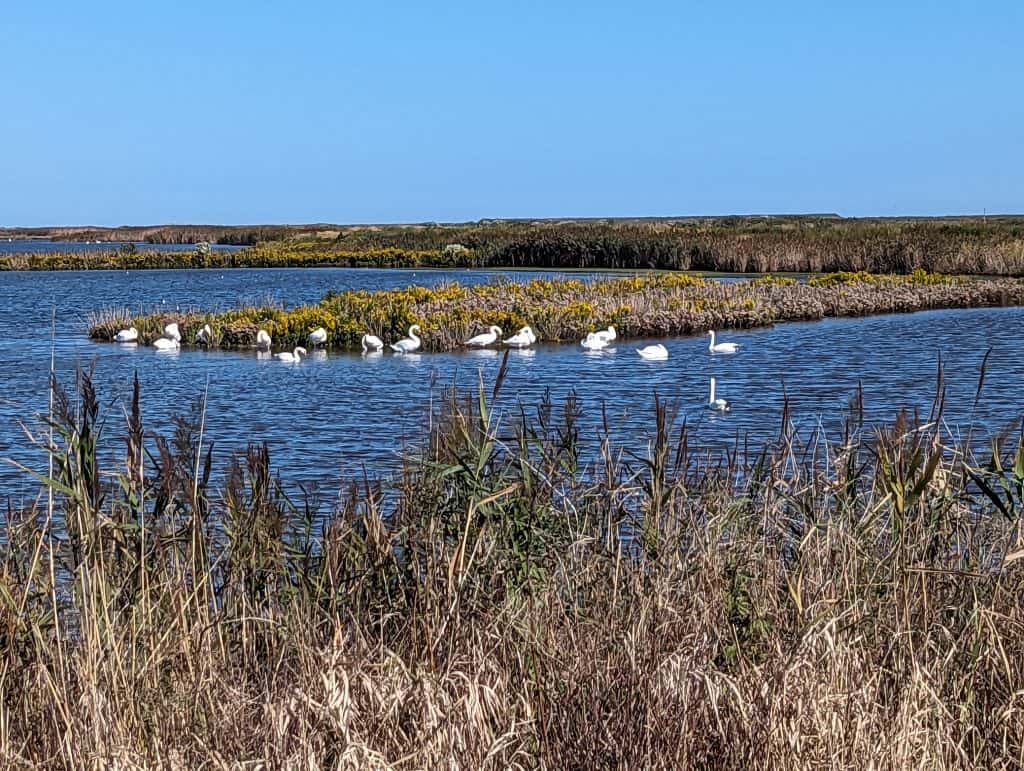
Make Edwin B. Forsythe National Wildlife Refuge, located adjacent to Leeds Point your first stop. Take a drive along Wildlife Drive or hike one of the nature trails. Cyclists may prefer to bike the 8-mile sand road. If you prefer, take a quiet walk along the marshes, where you can imagine the isolation that once defined this area.
The refuge is an excellent place for birdwatching. Cormorants, piping plovers, osprey, Cooper’s Hawks, Bald Eagles, and many others frequent the marshlands. The refuge is also on the migratory path for many waterfowl species, including wood ducks and snow geese.
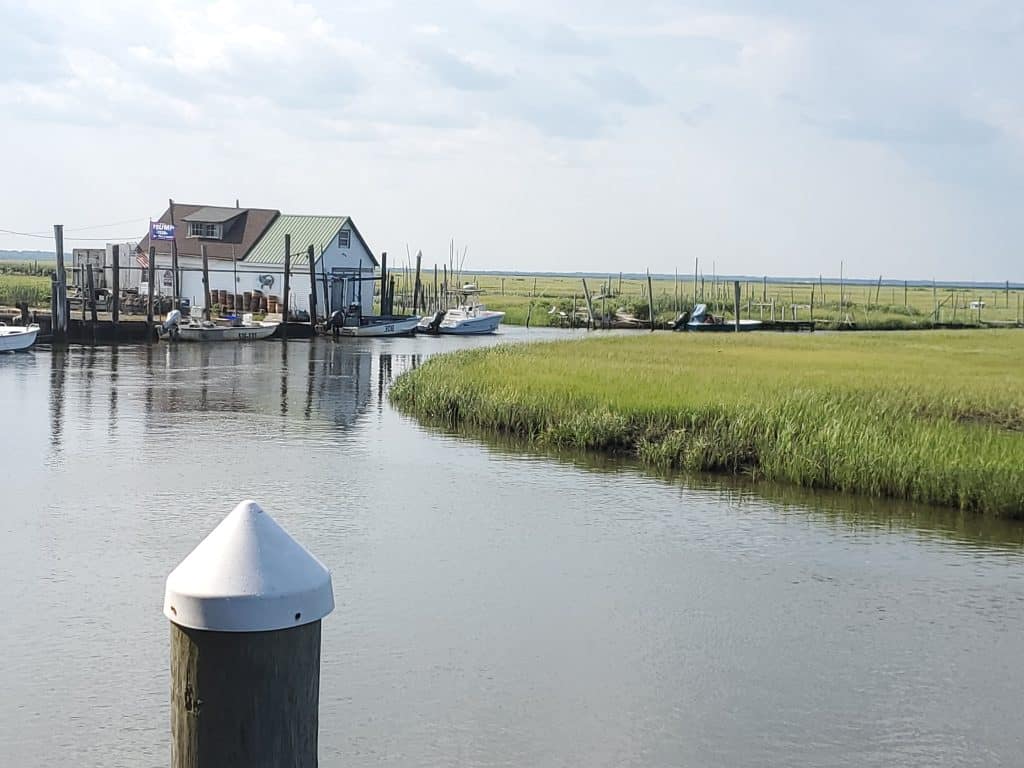
After exploring the Wildlife Refuge make your way to Leeds Point for lunch at Oyster Creek Inn, a historic restaurant overlooking the bay. Enjoy fresh seafood while taking in the views of the waterways that the Jersey Devil is said to have once soared over. Try the Jersey Devil Shrimp featured on the Food Network’s Diners, Drive-ins, and Dives if you dare. Spicy!!!
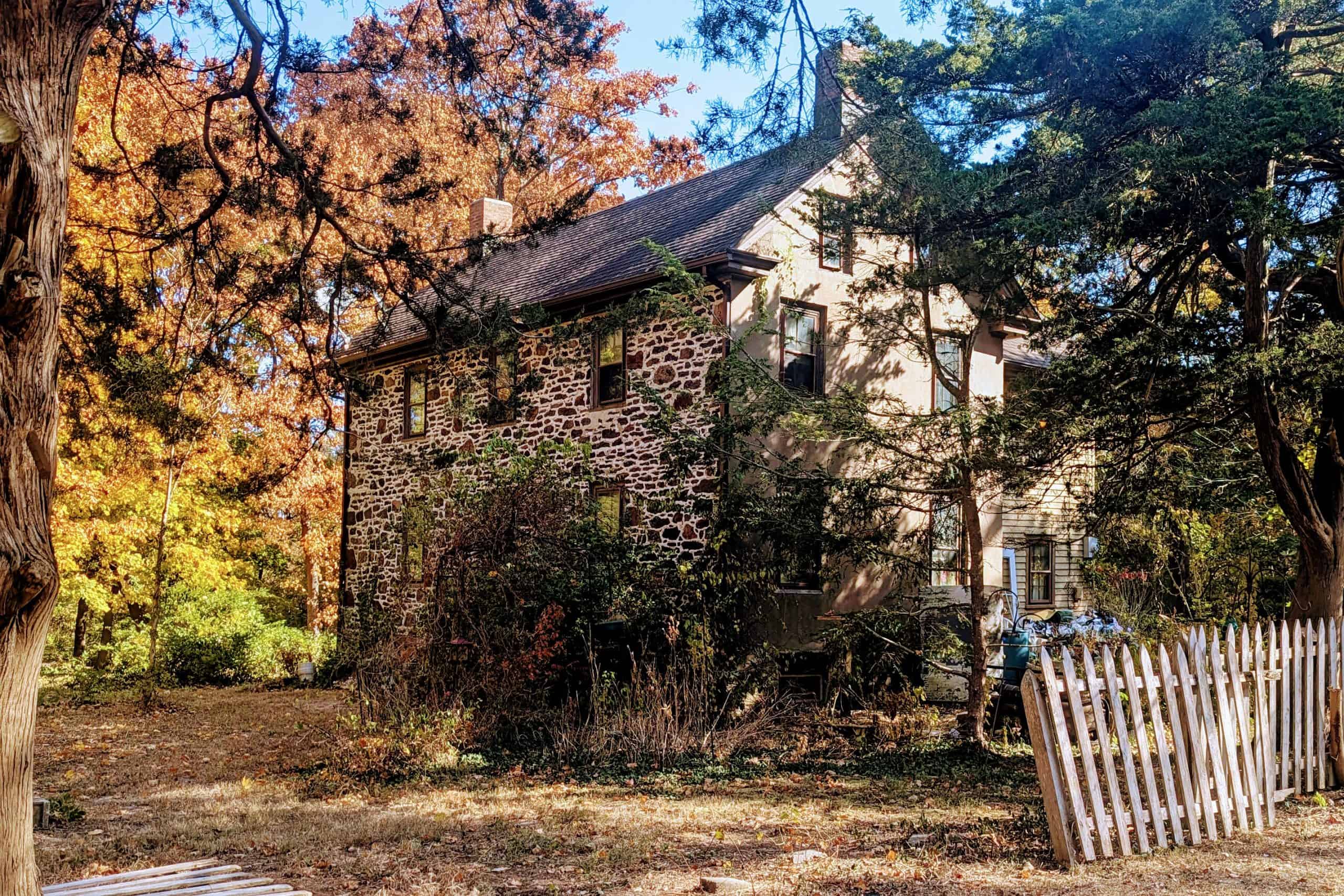
As you drive to Oyster Creek Inn note the home at the corner of E. Moss Mill Road and County Road 561. The old stone house, while not the original Leeds home, is on the original Leeds property.
Estell Manor
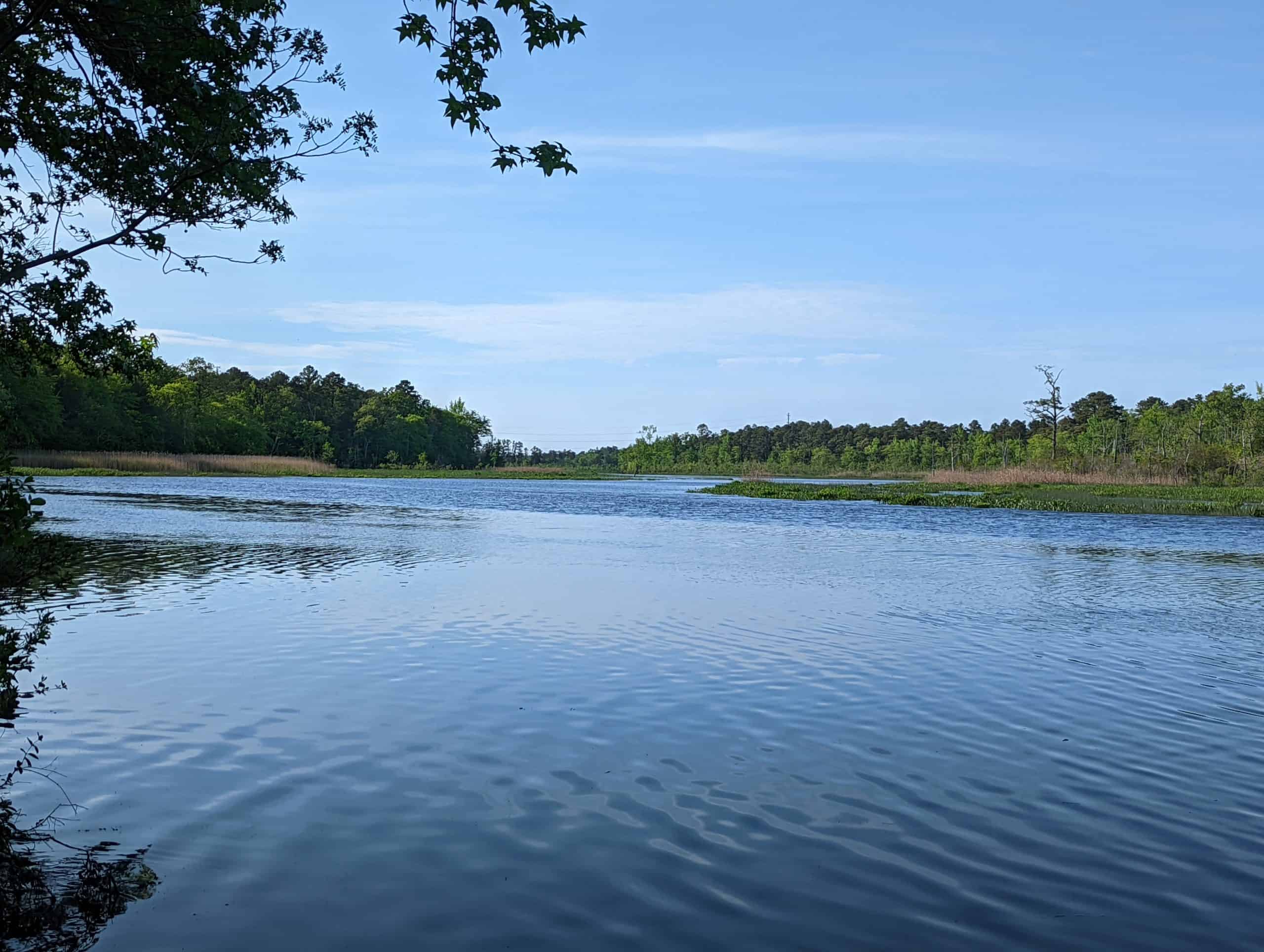
Adherents to the Estellville origin story will want to visit Estell Manor Park. This 1700-acre Atlantic County Park on the Great Egg Harbor and South Rivers is the county’s most popular park.
As you explore the park, you’ll come across the historic Estellville Glassworks, where the ruins of a 19th-century glass manufacturing plant, owned and operated by the Estell family, tell the story of the area’s industrial past.

The park’s 27 miles of mixed-use trails wind through pine forests and wetlands, offering scenic views of the Great Egg Harbor River and ample opportunities for wildlife observation. Bicycles can be borrowed from outside the nature center.
The 1.8-mile Swamp Trail Boardwalk, a fully accessible, elevated wooden nature trail, meanders along the South River with bump-outs offering spectacular river views. Along the way, you can view some of the pinelands’ magnificent ecosystems including streams, a cedar swamp, and coastal forest. Sorry, bikes are not permitted on the Boardwalk.
In addition to its historical and natural offerings, the park also features Warren E. Fox Nature Center which serves as an educational hub. Inside, exhibits highlight the local wildlife and ecosystems, providing insight into the natural history of the Pine Barrens.
If time allows, take a drive to nearby Port Republic. Though there isn’t a downtown per se, it was listed on the National Register of Historic Places in 1991 and has a very cute residential Main Street. At 104 Main Street, you will find a two-story Victorian home that was once the General Store. Known as the Amanda Blake Store, it was added to the Registry in 1979. It’s now a private residence.
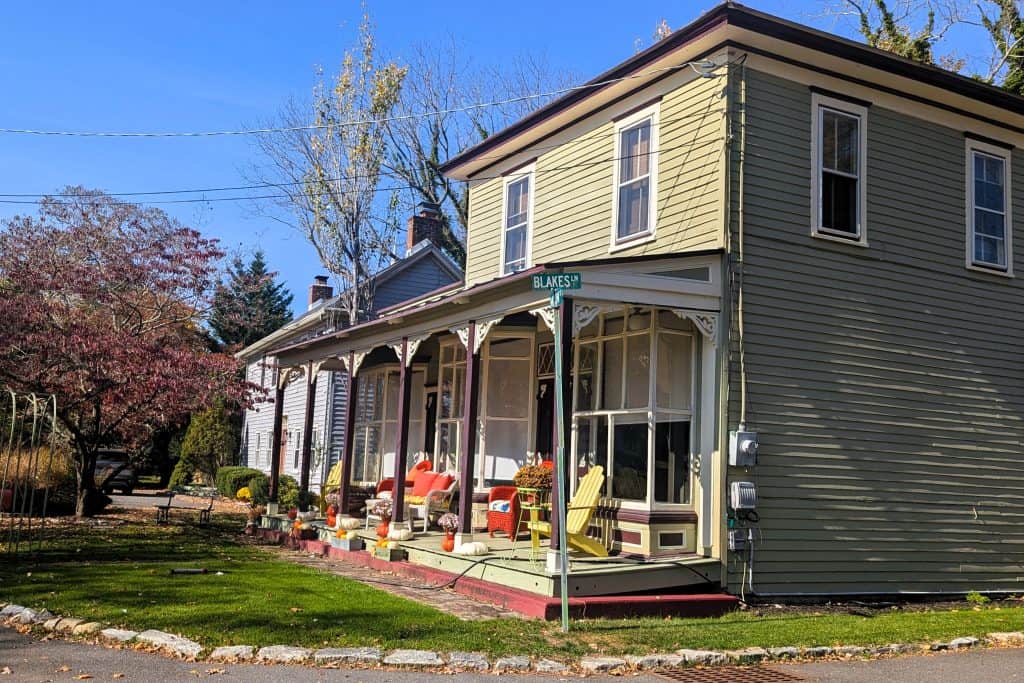
You will also find a couple of old cemeteries worth exploring. The first is on the main street beside the picturesque, 150-year-old Port Community Church. Though this cemetery is still in use today there are a few very old gravestones.
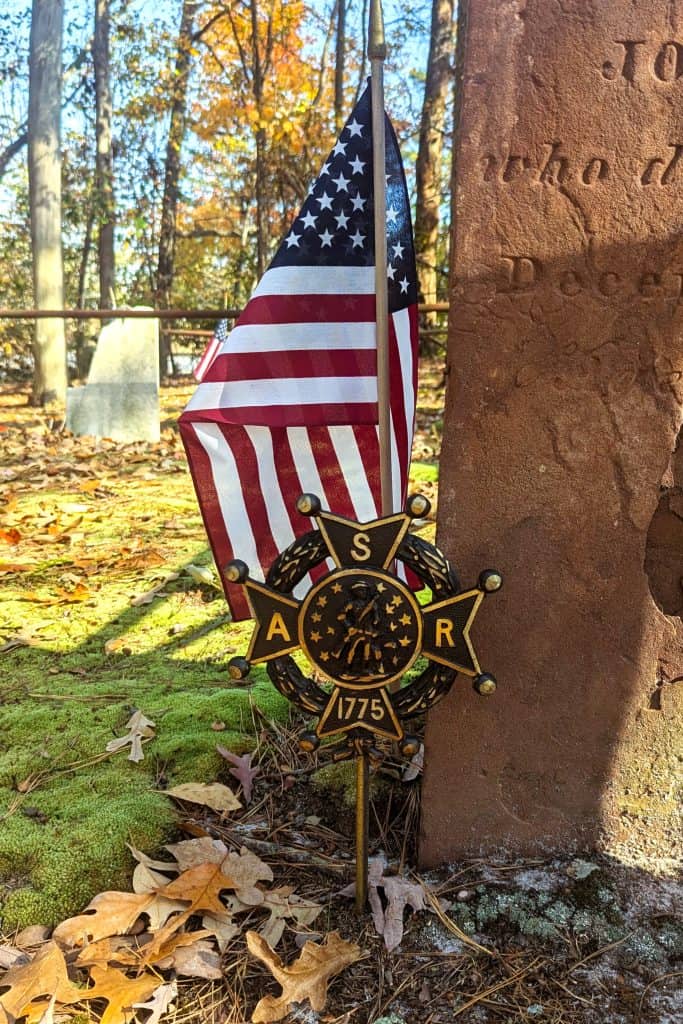
Across the street, tucked into a wooded area is the Smith Meeting House Cemetery. This burial site contains the remains of at least two Revolutionary War Soldiers. Look for the Historic Marker.
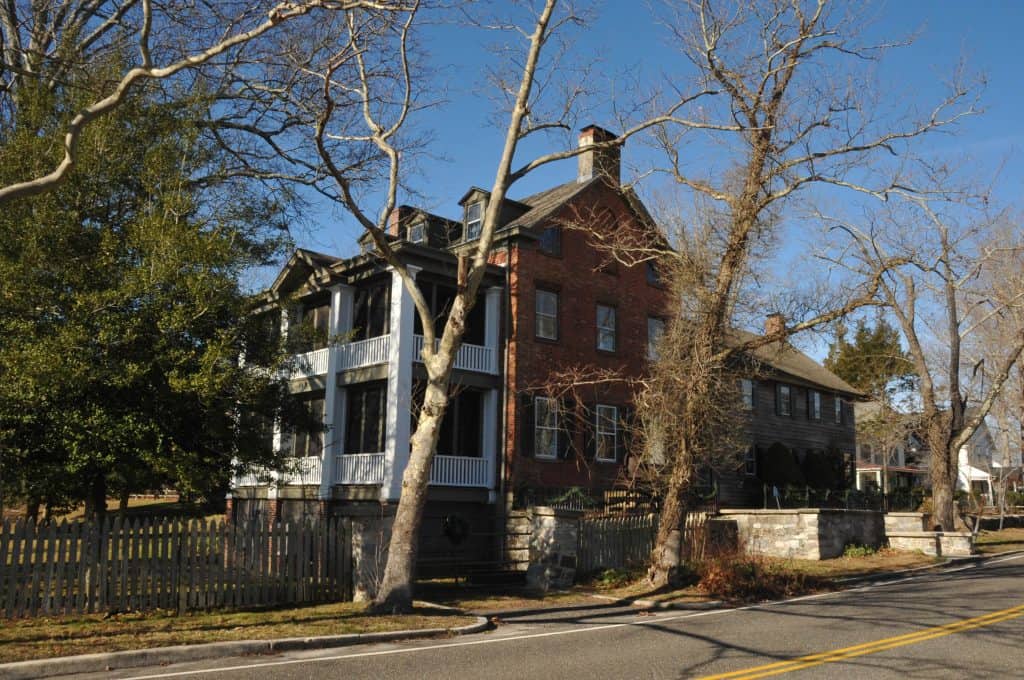
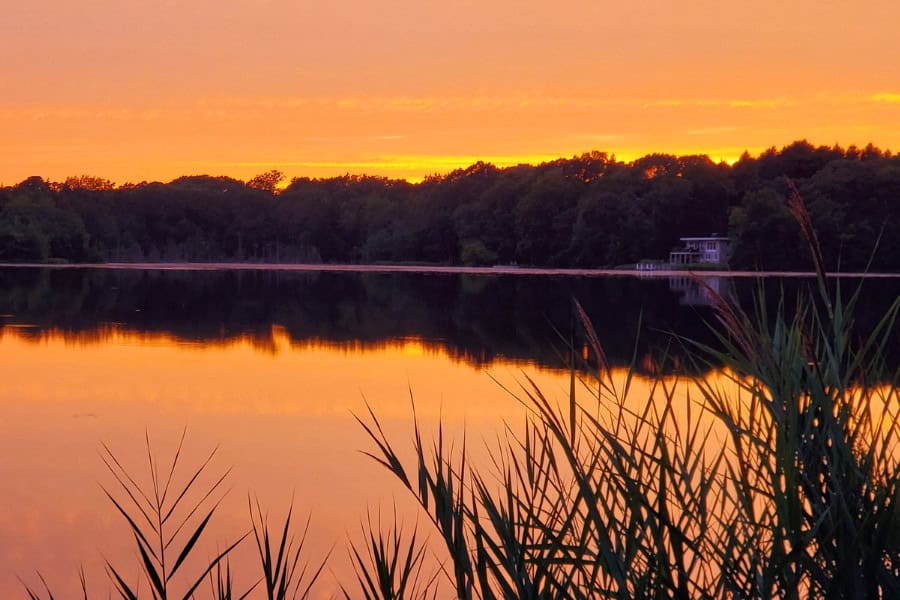
Another notable historic site in Port Republic is the Franklin Inn. Located on Mill Street, it was once the home of Sea Captain and privateer Micajah Smith. Across from the inn is a community park where you can typically catch a sunset over Mill Pond. September is the best month for sunsets and by that point, the bitey bugs have vacated.
Wrap up the day in Historic Smithville, a quaint village that blends shopping, dining, and history. Though it’s a popular destination, the village retains its colonial charm making it a perfect stop on your journey through the Pine Barrens.
Stroll through the village, exploring the 60 small shops, 9 eateries, and historic buildings. Families can ride on the paddle boats. Kids will delight in a ride on the miniature train or carousel. Historic Smithville hosts numerous events throughout the year, including fall events such as Oktoberfest and Witches Day.

Enjoy dinner at The Smithville Inn, a historic restaurant offering traditional American cuisine in a setting that has seen centuries of history. Try the chicken pot pie. It’s a local favorite.
Stay the night at the Colonial Inn at Historic Smithville which offers a variety of experiences. Other options include the majestic Seaview Hotel or the historic Dr. Johnathan Pitney House, the original home of one of the region’s earliest residents, a renowned physician, and pioneer of Atlantic City whose belief in the restorative properties of the region led to plans for the Absecon Lighthouse and the Atlantic City train.
Day 2: Deep Into the Pinelands
Day two of your journey takes you deeper into the history and wild beauty of the Pine Barrens. Begin the morning at Batsto Village, a preserved ironworks town. Later venture into Wharton State Forest, a vast wilderness intersected by sand trails and cedar streams. End the day in Hammonton, a charming town known for its arts district and iconic Italian markets, where you’ll unwind after an adventurous day.
Basto Village
This morning, head to Batsto Village, a well-preserved ironworks and company town that offers a glimpse into the Pine Barrens’ industrial past. Batsto was once a thriving ironworks where bog iron was processed and later became a glassmaking village. Today it is a reminder of the region’s storied history.
Explore Batsto Mansion, the general store, and the sawmill, imagining life in the 18th and 19th centuries. If you prefer, take a guided tour of the 32-room Italianate mansion that served as the ironmaster’s home and the village.

Don’t miss the nature trails that wind through the surrounding woods—perfect for taking in the natural beauty of the Pine Barrens and maybe even catching a glimpse of something unusual.
Is the Jersey Devil real? Read The Jersey Devil: Legend, Lore, Hoax and you be the judge.
Wharton State Forest
Before exploring Wharton State Forest, New Jersey’s largest state forest, head to the Pic-A-Lilli Inn in Shamong for a midday bite to eat. This beloved local spot known for its wings and casual fare is the perfect place to regroup and recount the morning’s adventure. Or perhaps, inquire with the locals about their experiences with the Jersey Devil.
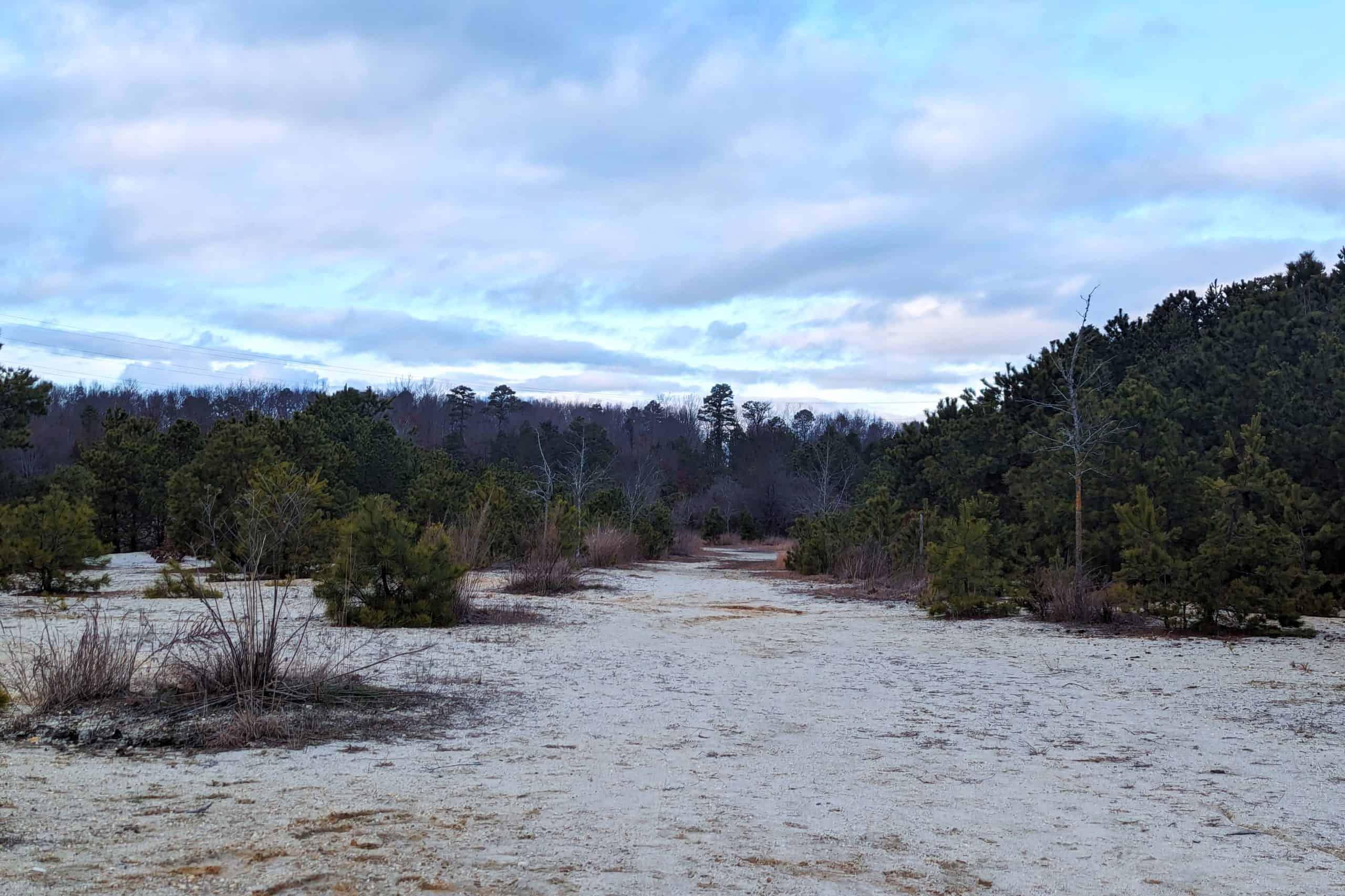
After lunch head into Wharton State Forest. This vast section of the pinelands is crisscrossed with sugar sand roads, rivers, and the legendary cedar water streams fed by the Kirkwood-Cohansey Aquifer. Adding to the otherworldly experience, are Pygmy Pine Forest and Atlantic White Cedar swamps.
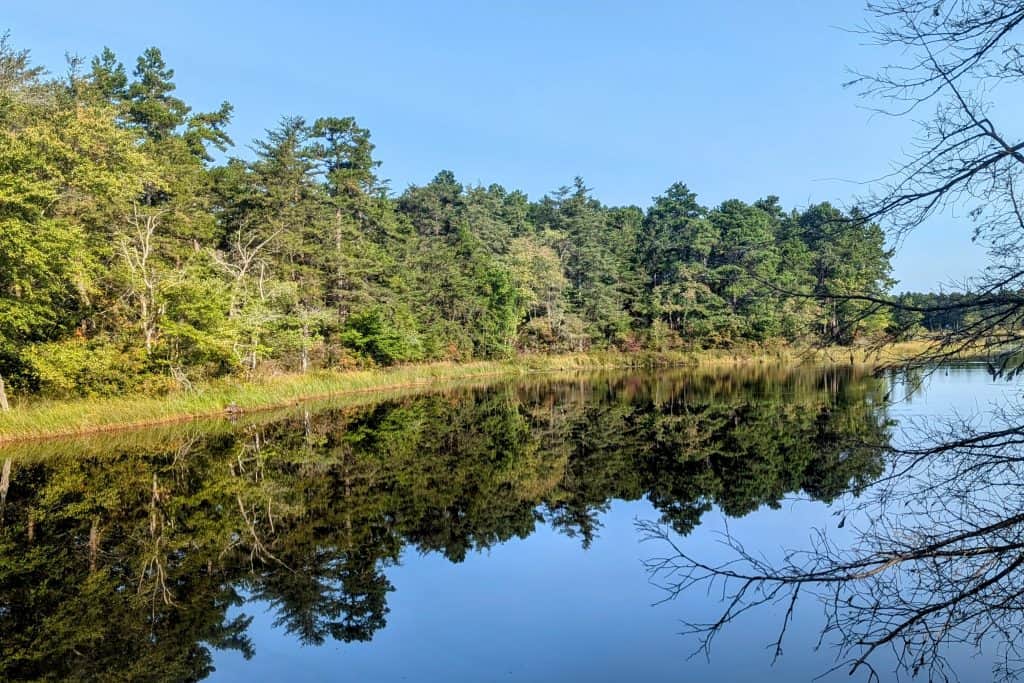
Hike one of the many trails, such as the Batona Trail, South Jersey’s only long-distance trail. This 52.7 mile trail takes you deep into the heart of the forest. Keep your ears open for the sounds of the forest—rustling leaves, distant bird calls, and perhaps the flap of bat-like wings.
Rent a kayak or canoe to explore the dark waters of Atsion Lake. The calm tannin-tinged waters are perfect for relaxing and offer a different perspective on the Pine Barrens.
History buffs and armchair architects may prefer to discover Atsion Mansion. Like Batsto, Atsion was an ironworks village operated by the Richards family. The 14-room Greek Revival-style mansion built in 1826, was only intended as a summer getaway for the family.
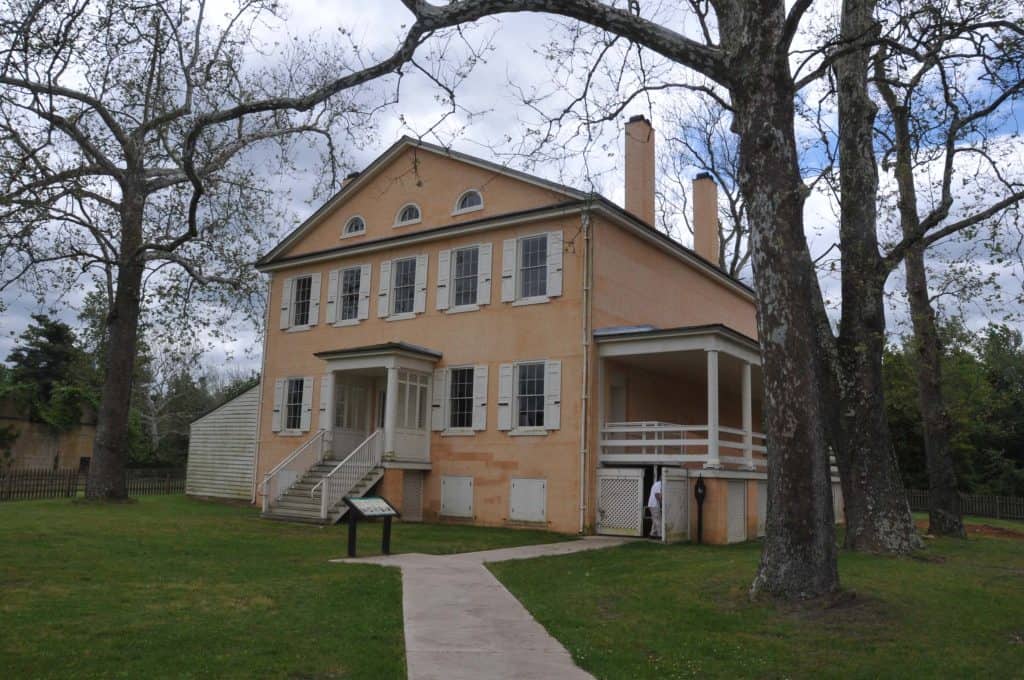
Ultimately, both Batsto and Atsion were purchased by Joseph Wharton, a Philadelphia-born American Industrialist. After his death, the family sold the Pinelands properties to the state of New Jersey. These properties make up a significant portion of Wharton State Forest.
Hammonton
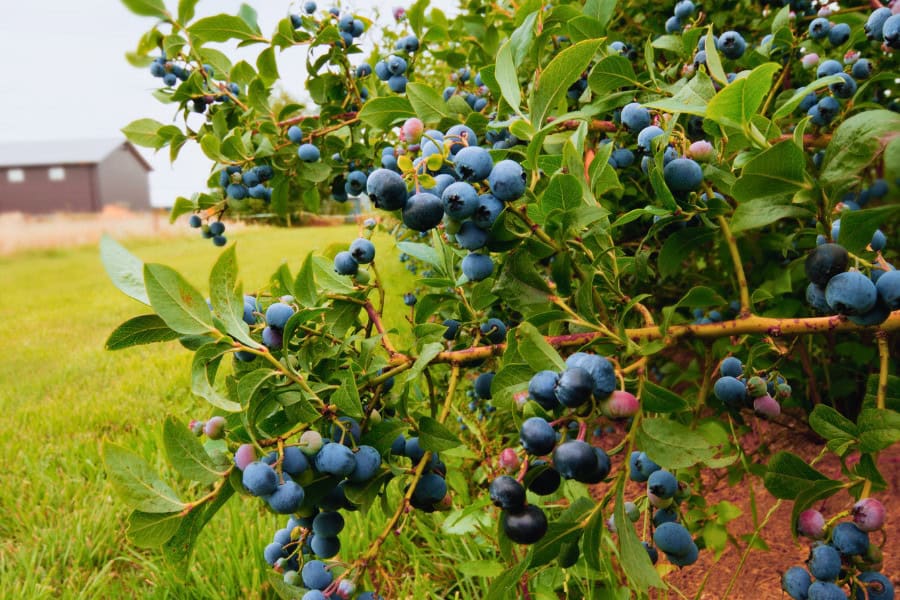
Wrap up the day’s explorations in Hammonton, a charming town known as the “Blueberry Capital of the World.” While here, explore Hammonton’s Art District. Visit the Noyes Galleries at Kramer Hall, one of several antique shops, and quaint boutiques.
In my opinion, no trip to Hammonton is complete without a visit to Bagliani’s Market. This Old World Italian market offers fresh bread and produce, custom cuts of meat, homemade pasta, and a cheese selection to die for.
Conclude your first day of exploration by enjoying a selection of local wines and Italian-inspired dishes at Annata Wine Bar or try a local favorite for traditional Italian fare, Joe Italiano’s Maplewood restaurant.
For overnight accommodations consider The Martinn, a midcentury modern boutique hotel in downtown Hammonton. If quiet, rustic, and quaint is your style, then consider Mullica River Cottage. Alternatively, the Tuscany House Hotel at Renault Winery offers high-end luxury accommodations.
Day 3: Chatsworth, Whitesbog, and Franklin Parker Preserve
This morning you will be headed to Franklin Parker Preserve located just outside Chatsworth.
One of the largest private preserves in New Jersey, The Franklin Parker Preserve encompasses over 16,000 acres of the Pine Barrens. The preserve features a mix of pine forests, wetlands, and cranberry bogs, offering visitors a chance to experience the unique ecosystems of the region.
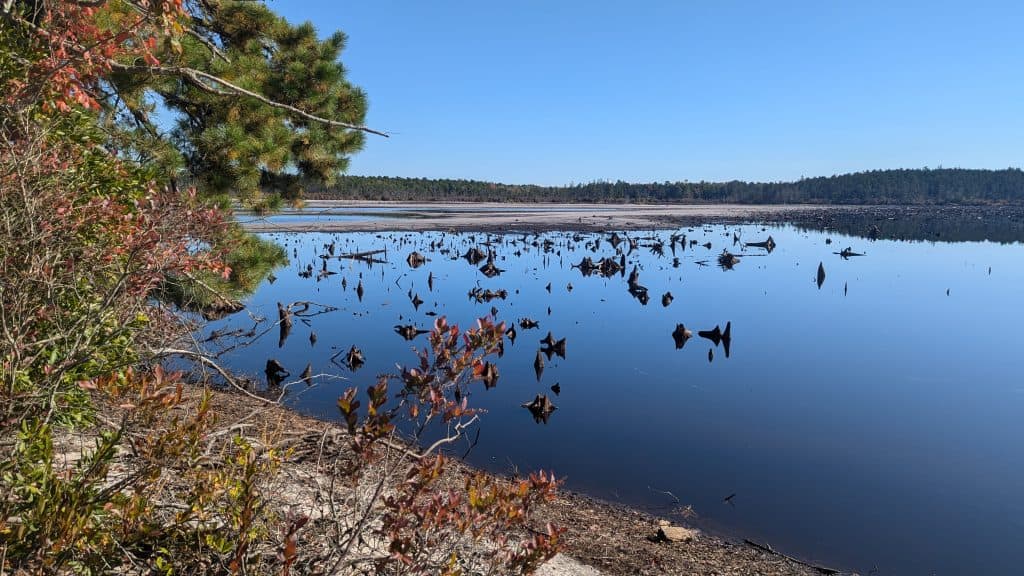
Spend the morning hiking on one of the many trails that wind through the preserve. The reserve is a prime location to see the cranberry bogs up close, particularly during the fall harvest season when the bogs are flooded and awash in vivid red as the berries are harvested.
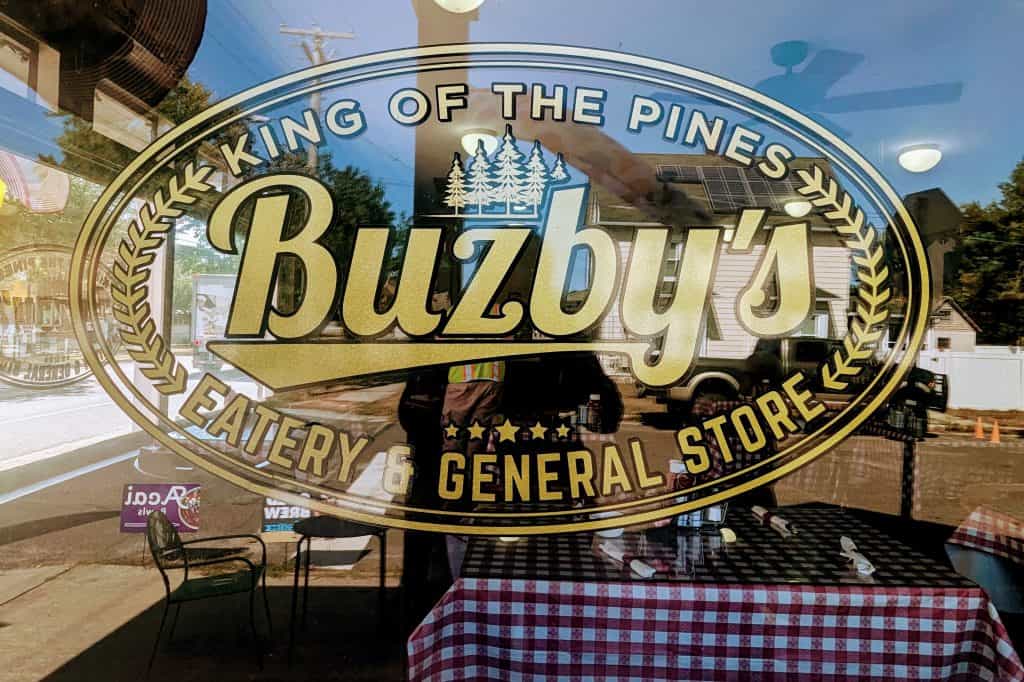
After an early morning in nature, head to nearby Chatsworth, the “Capital of the Pine Barrens” for lunch at Buzby’s Eatery & General Store, a cornerstone of the Pine Barrens since 1897. In addition to being a genuine general story Buzby’s offers breakfast and lunch Thursday through Sunday with breakfast served all day. The menu includes breakfast classics, as well as, burgers, specialty sandwiches, subs, and best of all, handspun milkshakes and Ice Cream Floats.
If you plan to visit in October, try to schedule your journey around the Chatsworth Cranberry Festival celebrating the town’s long history of cranberry farming. The festival features local crafts, food, live music, and, of course, cranberries in every form imaginable.
This afternoon, on the way to Whitesbog, stop at the Pinelands Preservation Alliance. It’s a great place for anyone interested in learning more about the region. They offer educational programs and resources about the Pine Barrens’ ecology, history, legends, and local folklore, including the Jersey Devil.
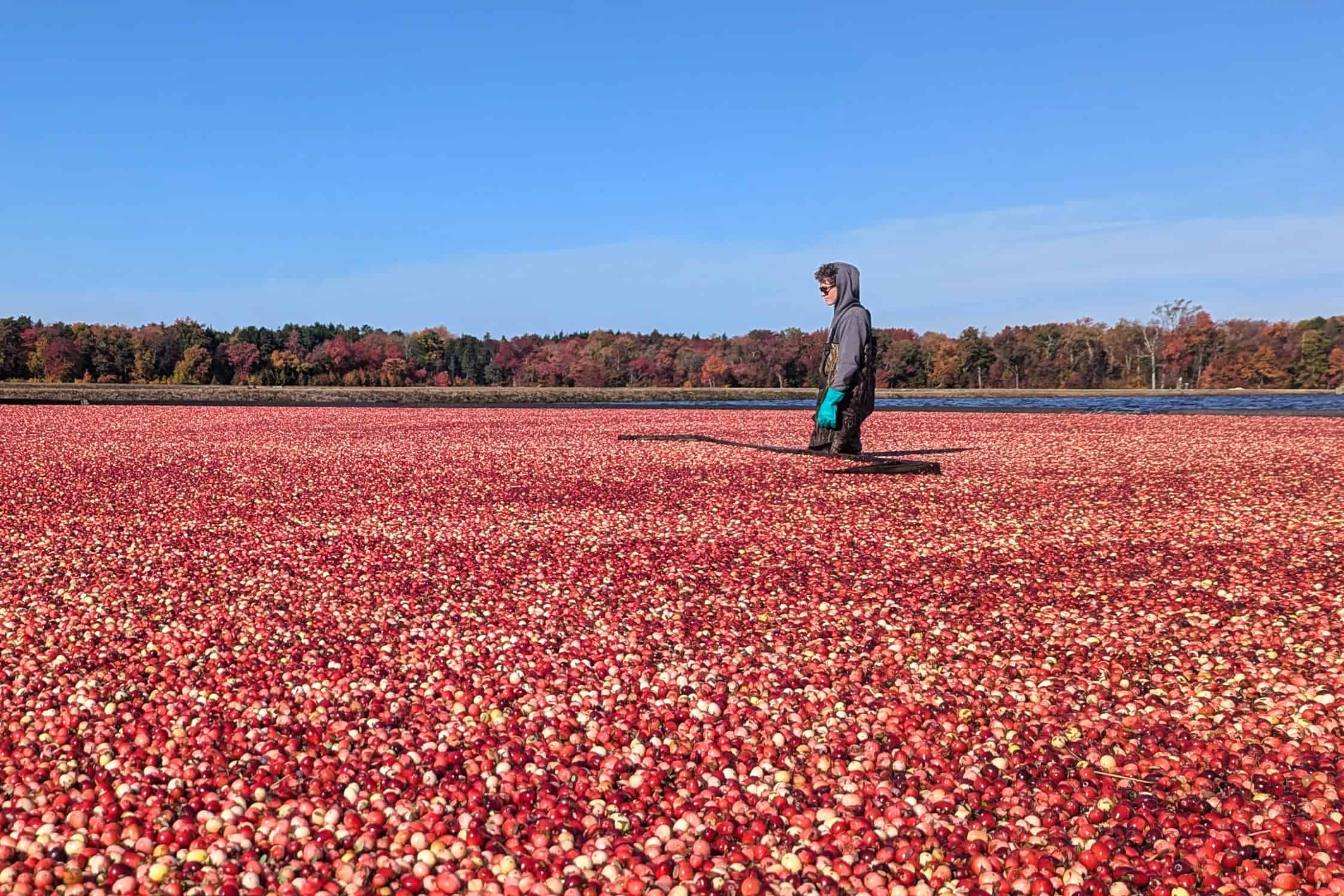
Located in Brendan T. Byrne’s State Forest, Historic Whitesbog Village is a small cranberry farming village and the birthplace of the cultivated blueberry. Founded in 1857 by Joseph J. White, a pioneer in cranberry farming, Whitesbog was once a bustling community centered around cranberry and blueberry farming where workers and their families lived and worked.
Today, Whitesbog is a preserved village that offers visitors a glimpse into the agricultural practices that have shaped the Pine Barrens. The site includes historic buildings, cranberry bogs, blueberry fields, and a general store that still operates today, selling local products and goods that reflect the area’s heritage.
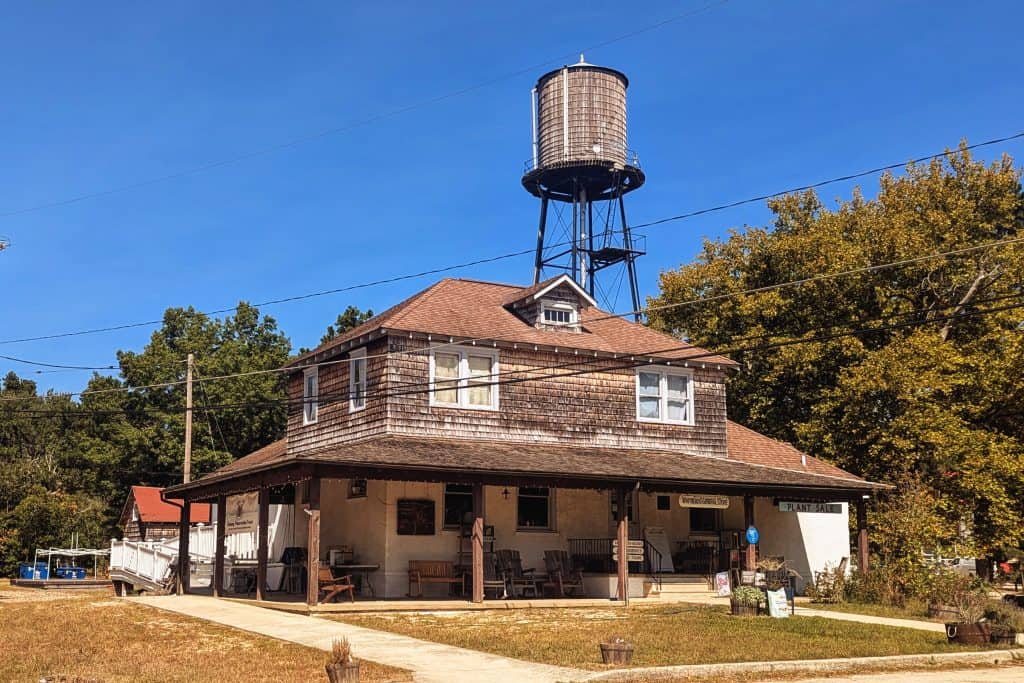
At Whitesbog, you can often see cranberry bogs in various stages of growth and harvest, especially if you visit during the fall season. The striking crimson of the cranberries floating against the dark water is a remarkable image. Harvest time is typically from late September through October.
If you enjoy blueberries during the summer, there is a good chance that those sweet blue orbs came from New Jersey. Elizabeth Coleman White developed the first blueberry cultivated for commercial production at Whitesbog in collaboration with botanist Frederick Vernon Coville.
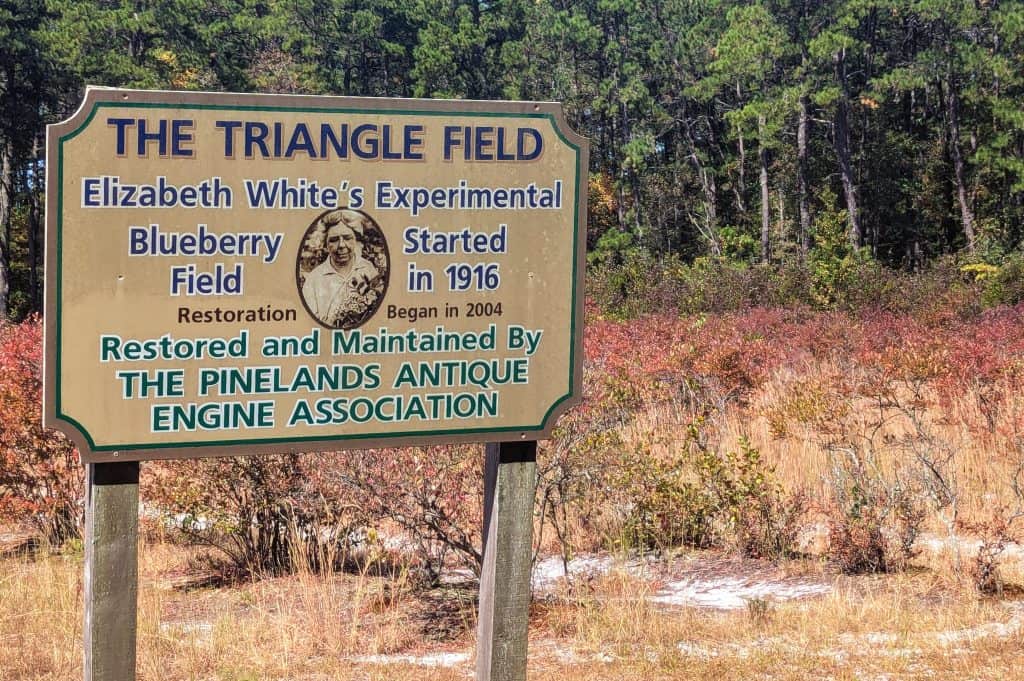
Blueberry Summer Fest runs for five weekends between June and August. In addition to the usual tours and activities, you can pick your own blueberries, enjoy live music, and more.
If time permits, venture into Brendan T. Byrne State Forest. Like Wharton State Forest, this area is filled with trails and natural beauty. The forest is less crowded than other parks, offering a more intimate experience with the wild side of the Pine Barrens.
Enjoy a hike through the forest, keeping an eye out for wildlife and the peculiar flora that thrives in this unique environment. If you’re feeling adventurous, seek out the remains of the ghost forests—areas where industry once thrived but have since returned to nature, leaving behind eerie, skeletal trees.
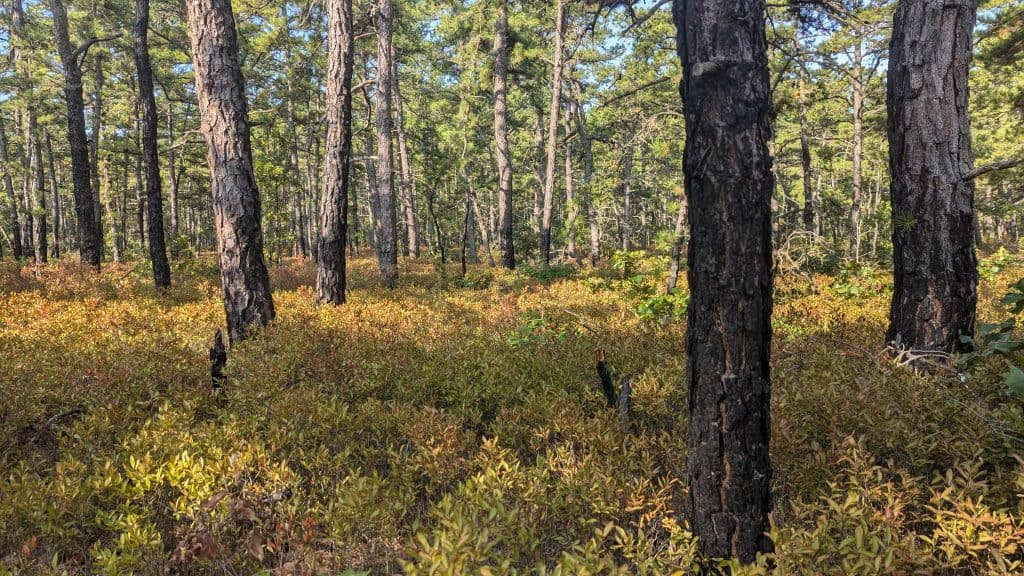
After three days exploring the New Jersey Pinelands, you will have only scratched the surface. These 1.1 million preserved acres are more than just vast wilderness; it’s a place where history, nature, and legend collide. As you explore its winding trails, dark swamps, and historic towns, the story of the Jersey Devil will be your constant companion. Whether you believe in the legend or not, there’s no denying that the Pine Barrens is a place where the past lingers, and where, perhaps, something else does too.
Like this Post?? Share it NOW!